
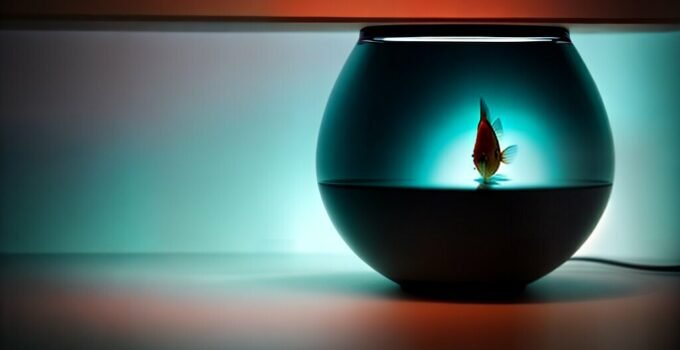
If you’re considering renting a new home and want to keep fish as pets, it’s important to understand the rules and regulations regarding pets in rental properties. And are fish considered pets when renting? Many renters wonder if fish are considered pets when renting, and the answer is not as straightforward as it may seem.
While fish may not be classified as traditional pets such as dogs or cats, they are still living creatures that require care and attention. As such, landlords and property management companies often have specific policies and guidelines regarding fish as pets in their rental properties.
In this article, we’ll explore the topic of keeping fish as pets in rental properties in the US. We’ll cover everything you need to know about pet policies, guidelines, regulations, and potential challenges you may face as a renter. We’ll also provide tips and advice on maintaining a healthy fish tank in a rented home.
Key Takeaways:
Fish may not be considered traditional pets, but they still require care and attention.
Landlords and property management companies often have specific policies and guidelines regarding fish as pets in their rental properties.
This article will cover everything you need to know about keeping fish as pets in rental properties in the US, including pet policies, guidelines, regulations, and potential challenges you may face as a renter.
Understanding Pet Policies in Rental Homes
Before bringing any pets into a rented property, it is important to understand the pet policies in place. Many landlords and property management companies have specific rules and guidelines regarding pets, including fish. While fish may seem like low-maintenance pets that would not be subject to the same rules as dogs or cats, this is not always the case. Therefore, it is crucial for renters to be aware of the pet policy for fish in rental units.
Some rental properties may have a no-pets policy, which would include fish. Other properties may allow fish but have specific guidelines that must be followed, such as tank size, type of fish, or location of the aquarium within the unit. It is important for renters to review their lease agreement carefully to determine what rules and restrictions apply to keeping fish as pets in their rental home.
| Key Points to Consider: |
|---|
| 1. Read the lease agreement carefully to understand the pet policy for fish in rental units. |
| 2. Understand that some properties may have a no-pets policy, which would include fish. |
| 3. Some rental properties may allow fish but have specific guidelines that must be followed, such as tank size or location of the aquarium within the unit. |
Understanding Pet Policies in Rental Homes
When it comes to keeping fish as pets in rental properties, understanding the pet policies in place is crucial. Pet policies can vary widely depending on the landlord, property management company, and rental unit. Some common guidelines to consider when reviewing a pet policy for fish in a rental unit may include:
- Tank size limitations
- Type of fish allowed (e.g. freshwater vs. saltwater)
- Location of the aquarium within the unit
- Responsibility for maintenance and upkeep of the aquarium
- Requirements for additional pet deposits or fees
- Noise or disturbance concerns
It is important for renters to communicate with landlords or property management and seek clarification on any rules or guidelines that may be unclear. If a landlord or property management company does allow fish as pets in a rental unit, it is critical for renters to follow all guidelines and regulations to avoid potential damages or lease violations. By understanding and adhering to pet policies, renters can enjoy the benefits of keeping fish as pets in their rented homes.
Fish Keeping Guidelines for Tenants
When keeping fish as pets in a rental property, there are certain guidelines that tenants should follow to ensure the health and safety of their pets and the property. These guidelines may vary depending on the landlord or property management’s pet policy, but here are some general rules that tenants can follow:
| Guideline | Description |
|---|---|
| Tank Size | Tenants should check the pet policy for any restrictions on tank size and ensure that the tank is appropriate for the size and number of fish. The tank should also fit comfortably in the rental property without obstructing walkways or exits. |
| Maintenance | Tenants are responsible for the maintenance of the fish tank, including cleaning the tank, replacing the water regularly, and monitoring the water quality. Regular maintenance will not only keep the fish healthy but also prevent any water damage to the property. |
| Restrictions | Tenants should be aware of any restrictions on fish breeds, types, or sizes that may be imposed by the landlord or property management. Some properties may prohibit predatory fish or require special permits for exotic species. |
| Location | The fish tank should be placed in a sturdy and stable location away from direct sunlight, heat sources, and high traffic areas. Tenants should also ensure that the aquarium does not cause any noise disturbances to neighbors and roommates. |
| Damage Prevention | Tenants should take precautions to prevent any damage to the property caused by the aquarium, such as using a waterproof mat or tray underneath the tank. They should also avoid placing the tank near any electrical outlets or appliances that may be damaged by water leaks. |
Following these guidelines can help tenants maintain a healthy and happy environment for their fish while also being considerate of their rental property and neighbors. If there are any questions or concerns, tenants should communicate with their landlord or property management to ensure that they are complying with all pet policies and regulations.
Housing Rules for Fish as Pets
When keeping fish as pets in a rental property, tenants must adhere to specific housing rules to avoid potential damage to the property. Landlords or property management may have their own set of guidelines, and it is important to communicate with them before setting up an aquarium.
Placement of the aquarium is a critical factor to consider. It should be in a stable area, away from high-traffic areas and direct sunlight. Also, be mindful of noise levels, as aquarium pumps and filters can generate some sound. Therefore, it is advisable to place the aquarium on a stable surface to reduce vibrations.
If the tenant is living in an apartment building, it is vital to check with the building’s management about their rules and regulations regarding the location of aquariums, as it could result in water damage to the adjacent units. Some buildings may have specific requirements such as installation of protective mats or trays under the aquarium to prevent water leakage.
| Aquarium Housing Rules for Tenants | What to Consider |
|---|---|
| Aquarium Placement | Away from high-traffic areas, direct sunlight, stable surface, and noise reduction |
| Building Regulations | Check with building management, installation of protective mats or trays, and potential water damage |
| Damage to Property | Avoid scratches and scuffs on floors, walls, and furniture. Also, avoid placing the aquarium near any electrical outlets. |
Tenants should also be mindful of potential damage to the rental property. The aquarium must be set up in a location that prevents scratches or scuffs on floors and furniture. Additionally, it should not be placed near electrical outlets, as water and electricity are a dangerous combination.
The tenant may want to consider placing a mat under the aquarium to prevent any water damage. Regular tank maintenance is also essential in preventing damage to the property. Routine cleaning, filter replacement, and water changes can help to reduce the build-up of harmful bacteria that can lead to odors and discoloration.
Fish Aquarium Regulations in Rental Homes
Before setting up a fish tank in a rental property, tenants should be aware of specific regulations and restrictions that may apply to fish aquariums in rental homes. These guidelines are often put in place to protect the property and ensure the safety of tenants and their pets.
One common regulation is regarding tank size. Landlords or property management may have a specific maximum tank size that tenants must adhere to. This is typically to prevent damage to the property, such as excessive weight on floors, walls, or ceilings.
| Regulation | Explanation |
|---|---|
| Tank size | Landlords may have a maximum tank size that tenants must adhere to, to prevent damage to the property. |
| Water damage prevention | Tenants may be required to take specific precautions to prevent water damage to the rental property, such as using a drip tray or moisture barrier between the tank and the floor. |
| Electrical safety | Tenants may not be allowed to use power strips or extension cords for their aquariums due to fire safety concerns. |
Tenants should also ensure that they are taking appropriate steps to prevent water damage to the rental property. This may include using a drip tray or moisture barrier between the tank and the floor. It is important to follow these guidelines to avoid any liability for potential damages.
Finally, tenants should be aware of any electrical safety concerns related to their fish tanks. For example, landlords may not allow the use of power strips or extension cords due to fire safety concerns.
Benefits of Keeping Fish as Pets in Rental Properties
Keeping fish as pets in rental properties can have many benefits for tenants. Here are some of the advantages to consider:
- Therapeutic effects: Watching fish swim in their aquarium can have a calming effect and reduce stress levels. It can also contribute to a peaceful and serene environment in the rental home.
- Low maintenance requirements: Fish are generally low-maintenance pets, requiring minimal care compared to other pets such as dogs or cats. They do not need to be walked, and their diet is relatively straightforward.
- Cost-effective: Compared to other pets, setting up an aquarium can be relatively affordable. Fish food and tank supplies are also relatively inexpensive.
- Easy to care for: Fish as pets do not require daily attention or care, making them a suitable option for busy tenants who may not be able to devote a lot of time to pet care.
- Adds to the aesthetics of the home: An aquarium can be a beautiful addition to a rental home, adding a unique touch of decoration and ambiance.
Overall, keeping fish as pets in rental properties can be a great option for tenants who want to enjoy the benefits of pet ownership without the added responsibilities or restrictions that come with other pets.
Communicating with Landlords or Property Management
When it comes to keeping fish as pets in rental properties, it is important to communicate effectively with your landlord or property management. It can prevent misunderstandings and ensure a smooth and hassle-free experience for both parties.
Before bringing a fish into your rented home, make sure to read the pet policies carefully. Some rental units may have restrictions on the number or size of fish tanks allowed. Others may require additional fees or security deposits.
If you have any questions or concerns about the pet policies, be sure to ask your landlord or property management for clarification. It is better to be safe than sorry and avoid any issues down the line.
Discussing Pet Policies
When discussing pet policies with your landlord or property management, be sure to explain your intentions clearly and provide all necessary information. This may include details about the type of fish you plan to keep, the size of your tank, and your maintenance routine.
It can be helpful to have a written plan in place that outlines your responsibilities as a tenant and measures you will take to ensure the well-being of your fish tank. This can provide peace of mind for both you and your landlord or property management.
Addressing Concerns
If your landlord or property management expresses concerns about your fish tank, be sure to listen and address them appropriately. This may involve making modifications to your tank or maintenance routine to reduce the risk of damage or disturbance to the rental property.
It is important to be respectful and cooperative in these situations, as it can help strengthen your relationship with your landlord or property management and ensure a positive renting experience overall.
Seeking Approval for Aquarium Installations
If your rental unit does not have an existing fish tank infrastructure, you may need to seek approval from your landlord or property management to install an aquarium. This may involve getting written permission and providing proof of insurance coverage or additional security deposits.
Be sure to discuss the specifics of the installation with your landlord or property management, including the location and size of the tank and any necessary modifications to the rental property.
Tips for Obtaining Written Permission to Keep Fish as Pets in Rental Properties
Obtaining written permission from landlords or property management is crucial when keeping fish as pets in rental properties. Here are some tips to help renters successfully obtain written permission:
- Check the lease agreement: Before bringing any pets into the rental property, it’s important to read and understand the lease agreement. This document may outline specific pet policies and restrictions, making it easier to discuss the possibility of keeping fish as pets with the landlord or property management.
- Discuss the benefits: When speaking with the landlord or property management, renters should highlight the benefits of keeping fish as pets, such as low maintenance requirements and the potential for creating a calming atmosphere. This can help build a case for why they should be allowed to have fish in the rental property.
- Be proactive: Renters should be proactive in addressing any potential concerns the landlord or property management may have about keeping fish as pets. This can include showing plans for tank placement and discussing maintenance responsibilities.
- Get it in writing: It’s important to obtain written permission for keeping fish as pets in rental properties. This can include a separate pet addendum to the lease agreement or a written letter from the landlord or property management. Having written permission can provide renters with reassurance and protection should any issues arise.
By following these tips, renters can increase their chances of obtaining written permission to keep fish as pets in rental properties and ensure a smooth and enjoyable pet ownership experience.
Fish Keeping Guidelines for Tenants
Keeping fish as pets in rental homes can be a rewarding experience, but it requires tenants to adhere to specific guidelines to ensure the health and safety of the fish and the property. Here are some important fish keeping guidelines for tenants to consider:
- Tank size: Tenants should select an appropriately sized tank for the number and type of fish they plan to keep. Overcrowding can lead to health issues and poor water quality.
- Maintenance responsibilities: Tenants are responsible for regular tank maintenance, including water changes, filter cleaning, and feeding. Neglecting these tasks can lead to algae buildup, water quality issues, and sick fish.
- Restrictions: Some landlords or property management companies may have specific restrictions on the number or type of fish that can be kept in a rental property. Tenants should be aware of these restrictions and adhere to them.
It’s important for tenants to remember that the fish are living beings and require proper care and attention. Neglecting their needs can lead to health issues and even death. By following these guidelines, tenants can enjoy the benefits of having fish as pets in their rental homes while also being responsible and respectful tenants.
Tips for Maintaining a Healthy Fish Tank in a Rental Property
Maintaining a healthy fish tank in a rental property requires attention to several key factors. Here are some tips to keep your fish healthy and your tank in good shape:
- Monitor water quality: Regularly check the water temperature, pH levels, and ammonia and nitrite levels in your tank. Keeping the water clean and balanced is crucial for the health of your fish.
- Keep the tank clean: Change 10-15% of the water in your tank every week to avoid buildup of waste, uneaten food, and debris. Clean the tank regularly, including the gravel, decorations, and filtration system.
- Feed your fish the right amount: Overfeeding your fish can lead to excess waste in your tank, which can increase the risk of harmful bacteria and disease. Feed your fish a small amount once or twice a day, and remove any uneaten food after a few minutes.
- Choose appropriate tankmates: Some fish are more compatible than others, and overcrowding can lead to stress and aggression. Research the species you want to keep and select appropriate tankmates that are compatible in terms of behavior, size, and water requirements.
- Ensure proper lighting: Some fish need specific lighting requirements to thrive, so make sure you research the needs of your fish. Avoid overexposure to light, which can lead to excess algae growth and other problems.
- Invest in quality equipment: Quality equipment such as filters, heaters, and air pumps can help maintain a healthy environment for your fish. Make sure you select equipment appropriate for the size and type of your tank.
- Observe your fish: Keep an eye on the behavior and appearance of your fish. Any changes in behavior or appearance can be an indication of stress, illness, or other problems. React quickly if you notice any issues and seek veterinary assistance when necessary.
By following these tips, renters can keep their fish healthy and happy in a rented property. Remember to check with your landlord or property management regarding any specific guidelines or restrictions related to keeping fish as pets in your rental home.
Fish Aquarium Regulations in Rental Homes
When it comes to keeping fish as pets in rental homes, there may be specific regulations and restrictions related to fish aquariums that tenants should be aware of. These regulations are put in place for the safety and protection of both the renters and the property.
| Regulations | Description |
|---|---|
| Tank size | Landlords or property management may have restrictions on the size of the tank you can install in your rental home, often based on the size of the property or the location of the aquarium within the property. |
| Water damage prevention | It is important to take measures to prevent water damage to the property, such as using a mat under the aquarium or installing a drip tray. Landlords or property management may also require renters to have renter’s insurance that covers water damage. |
| Electrical safety | It is crucial to ensure that the electrical connections for your aquarium are installed correctly and safely to prevent any electrical hazards that could cause damage to the property or harm to tenants. |
It is important for tenants to abide by these regulations to ensure a safe and healthy environment for both the fish and the property. Violating these regulations could result in penalties or even eviction.
Conclusion
Keeping fish as pets in rental properties can be a rewarding and fulfilling experience. However, it is essential for renters to understand the pet policies and guidelines that apply to fish keeping in rental homes.
By following the guidelines outlined in this article, renters can ensure that they maintain a healthy and safe environment for their fish while also respecting their landlords’ rules and regulations. Tenants should communicate openly and effectively with their landlords or property management regarding their intentions to keep fish as pets, seek written permission, and comply with any rules and restrictions that apply to fish aquariums in rental properties.
While there may be some challenges associated with keeping fish as pets in rental homes, such as limited tank space or neighbor conflicts, renters can overcome these obstacles by adhering to the fish keeping guidelines provided in this article. By maintaining a healthy fish tank through proper cleaning, water quality management, and regular maintenance routines, renters can enjoy the therapeutic benefits of having fish as pets in their rented homes.
Finally, it is important for renters to consider their insurance coverage when keeping fish in rental properties. Checking renter’s insurance policies for aquarium coverage and taking additional steps to protect themselves and their belongings can give renters peace of mind and ensure that they are fully prepared for any unforeseen circumstances.
FAQ
Q: Are fish considered pets when renting?
A: Yes, fish are generally considered pets when renting in the US.
Q: What are the pet policies for fish in rental units?
A: Pet policies for fish in rental homes may vary, but it is important for renters to be aware of any guidelines set by landlords or property management.
Q: What are the guidelines for keeping fish as pets in rental properties?
A: Tenants should follow specific guidelines when keeping fish in rental properties, including considerations such as tank size and maintenance responsibilities.
Q: What are the housing rules for fish as pets in rental properties?
A: Housing rules for fish as pets may include considerations such as aquarium placement, noise concerns, and potential property damage.
Q: Are there any fish aquarium regulations in rental homes?
A: Some rental homes may have specific regulations or restrictions related to fish aquariums, such as rules regarding tank size and water damage prevention.
Q: What are the benefits of keeping fish as pets in rental properties?
A: Keeping fish as pets in rental properties can provide therapeutic effects, require low maintenance, and create a calming and serene environment.
Q: How can I effectively communicate with landlords or property management about keeping fish as pets?
A: Tips for communicating with landlords or property management include discussing pet policies, addressing concerns, and seeking approval for aquarium installations.
Q: Do I need written permission to keep fish as pets in a rental property?
A: It is important to obtain written permission from landlords or property management before keeping fish as pets in rental properties to have a clear understanding of the pet policy.
Q: What are the potential challenges of keeping fish in rental homes?
A: Renters may face challenges such as mobility, limited tank space, and potential conflicts with neighbors or roommates when keeping fish as pets in rental homes.
Q: What are some tips for maintaining a healthy fish tank in a rental property?
A: Tips for maintaining a healthy fish tank in a rental property include managing water quality, keeping the tank clean, and establishing regular maintenance routines.
Q: Are there any insurance considerations for fish tanks in rental properties?
A: Renters should check their renter’s insurance policies for aquarium coverage and take any additional steps necessary to protect themselves and their belongings.


