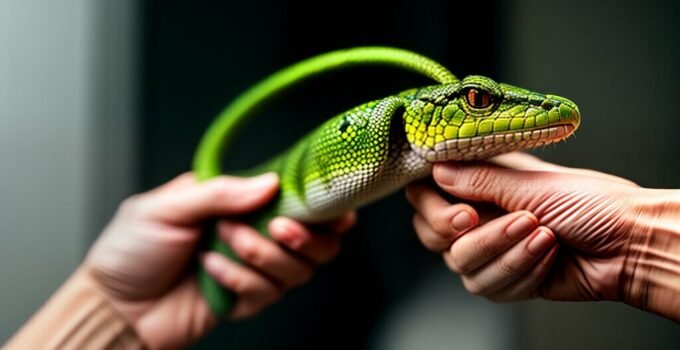
Many people keep pet reptiles, such as snakes and lizards, but not all are aware of the risks involved in handling them. It is crucial to understand the differences between venomous and non-venomous reptiles and take necessary precautions when handling them. This guide will provide an overview of safe handling practices for both types of reptiles. Here’s an essential guide on handling venomous vs. non-venomous pet reptiles.
Key Takeaways
It is important to understand the differences between venomous and non-venomous pet reptiles.
Proper precautions must be taken when handling any pet reptile.
Seeking professional assistance is necessary when handling venomous reptiles.
Responsible ownership and legal considerations are crucial for handling both venomous and non-venomous pet reptiles.
Understanding Venomous Reptiles
Handling venomous reptiles can be a dangerous task if proper precautions are not taken. It is imperative to understand the characteristics and behavior of venomous reptiles to ensure that one is able to identify and handle them safely.
Identifying Venomous Reptiles
There are various types of venomous reptiles, including snakes, lizards, and turtles. The most common venomous snakes include vipers, cobras, and rattlesnakes. It is important to note that not all venomous snakes have visible fangs. Some snakes, such as the coral snake, have small, fixed fangs that are located in the rear of the mouth.
When identifying venomous reptiles, it is important to note their physical characteristics. Venomous snakes usually have a triangular or diamond-shaped head, while non-venomous snakes have a more rounded head. Venomous snakes also tend to have a more slender body compared to their non-venomous counterparts.
Behavior of Venomous Reptiles
Understanding the behavior of venomous reptiles is crucial when it comes to safe handling. Venomous snakes, for instance, are more likely to strike when threatened or provoked. It is important to give them space and avoid sudden movements that can lead to aggression.
Other venomous reptiles, such as lizards, may not strike but can cause harm through bites or scratches. It is important to handle them with care and use protective gear, such as gloves, to minimize the risk of injury.
Safety Precautions for Handling Venomous Reptiles
When handling venomous reptiles, it is important to take proper safety precautions. This includes using specialized equipment, such as snake hooks or tongs, to pick them up and move them. It is also crucial to have a clear understanding of the animal’s behavior and to avoid handling them if they appear agitated or defensive.
Additionally, it is important to have a first aid kit on hand in case of a bite or injury. It is recommended to seek medical attention immediately if bitten by a venomous reptile.
Handling Venomous Reptiles Safely
Handling venomous reptiles requires proper preparation and safety precautions to prevent any accidents or injuries. It is crucial to understand the behavior patterns and characteristics of the specific species to be able to handle them safely.
Step 1: Preparation
Prior to handling a venomous reptile, it is essential to wear appropriate protective gear, which includes gloves, long sleeves, and sturdy boots. Always ensure that you have a first-aid kit nearby and that you have established an emergency action plan.
Step 2: Identifying the Reptile
It is crucial to be able to identify the species of venomous reptile to know the venom toxicity and take appropriate safety precautions. Always handle the reptile by the tail or a specific designated gripping area while ensuring that the head is under control.
Step 3: Handling Techniques
Proper handling techniques are essential to minimize the risk of injury or stress to the reptile. When handling venomous snakes, use a snake hook or tongs to grip them firmly and avoid sudden movements. When handling lizards, make sure to hold them by the torso, never by the tail or head.
Step 4: Minimizing Stress for the Reptile
Handling venomous reptiles can be stressful for the reptile, which may risk them becoming defensive and biting. Make sure to handle them in a well-lit and quiet environment and avoid any sudden movements or loud noises that may trigger a stress response.
Step 5: Winding Down
After handling the venomous reptile, ensure that it is returned safely to its enclosure. Always wash your hands thoroughly with soap and water and disinfect any equipment used in handling the reptile.
Non-Venomous Pet Reptiles: Types and Characteristics
When it comes to keeping pet reptiles, many owners opt for non-venomous species due to their ease of care and safe handling. There are various types of non-venomous reptiles, each with unique characteristics and behaviors.
| Reptile | Characteristics |
|---|---|
| Ball Python | A small, docile snake that prefers to curl up in a ball when threatened. They are slow-moving and easy to handle. |
| Bearded Dragon | A popular lizard with a docile temperament that enjoys human interaction. They are relatively easy to care for and have a unique appearance with a “beard” under their chin. |
| Leopard gecko | A small, nocturnal lizard that comes in a variety of colors. They are known for their ease of care and low maintenance, making them an ideal pet for beginners. |
| Corn snake | A small, brightly colored snake that is popular among reptile enthusiasts. They are relatively easy to care for and can live up to 20 years with proper care. |
When handling non-venomous reptiles, it’s important to remember that they can still bite or scratch, so proper handling techniques should always be used. Additionally, it’s crucial to research the specific needs and behaviors of the reptile you plan to keep in order to provide appropriate care and ensure their health and well-being.
Safe Handling Techniques for Non-Venomous Reptiles
Handling non-venomous pet reptiles can be a fun and rewarding experience, but it’s important to do so safely to prevent injury to the reptile or yourself. Follow these safe handling techniques:
- Approach the reptile calmly and slowly: Never startle or surprise the reptile, as this can cause it to become stressed or aggressive. Approach it slowly and calmly to avoid causing unnecessary stress.
- Use two hands to pick up the reptile: Depending on the size and type of reptile, you may need to use two hands to safely pick it up. Always support their bodies and avoid squeezing or restraining them too tightly.
- Keep the reptile close to your body: When holding the reptile, keep it close to your body to provide a sense of security and minimize stress. Avoid waving it around or holding it too far from your body.
- Be aware of the reptile’s body language: Non-venomous reptiles can still become stressed or agitated if they feel threatened or uncomfortable. Be aware of their body language and put the reptile back in its enclosure if it appears stressed or uncomfortable.
- Wash your hands before and after handling any reptile: Hand hygiene is essential when handling reptiles. Wash your hands thoroughly with soap and water both before and after handling any reptile to avoid the spread of bacteria or disease.
Handling Snakes
Snakes are one of the most common non-venomous reptiles kept as pets. When handling a snake, the following tips are essential:
| Tip | Description |
|---|---|
| Support the snake’s body | When holding a snake, always support its body to prevent injury. Avoid holding it by the head or tail, as this can cause stress and discomfort. |
| Keep the snake at a comfortable temperature | Snakes are sensitive to temperature changes, so it’s important to keep them at a comfortable temperature during handling. Avoid handling them if they are too hot or too cold. |
| Do not handle a snake after feeding | Handling a snake immediately after feeding can cause stress and discomfort, as well as potentially causing regurgitation. Wait at least 24-48 hours after feeding to handle your snake. |
By following these safe handling techniques, you can ensure a positive and enjoyable experience with your non-venomous pet reptiles.
Precautions for Handling Both Venomous and Non-Venomous Reptiles
When handling pet reptiles, it is important to take certain precautions to ensure both the reptile’s safety and the handler’s safety. These precautions apply whether the reptile is venomous or non-venomous.
Hand hygiene: Before and after handling a reptile, wash hands thoroughly with soap and warm water. This helps to prevent the spread of bacteria and other harmful microorganisms that can be present on a reptile’s skin or in their enclosure.
| Protective gear: | Controlled environment: |
|---|---|
| Wear gloves and other protective gear, such as long sleeves and pants, when handling reptiles. This provides an extra layer of protection against bites or scratches. | Always handle reptiles in a controlled environment, such as a secure enclosure or a designated handling area. This helps to prevent the reptile from escaping or becoming stressed. |
Proper handling techniques: When handling a reptile, it is important to use proper handling techniques to prevent the reptile from becoming stressed or agitated. This includes approaching the reptile slowly and calmly, supporting their body properly, and not squeezing or restraining them too tightly.
Tools and equipment: Using tools and equipment, such as hooks or tongs, can provide additional safety when handling venomous reptiles. These tools allow the handler to keep a safe distance from the reptile while still being able to handle them effectively.
By following these precautions, handlers can minimize the risk of injury or stress to both themselves and their pet reptiles.
Common Mistakes to Avoid When Handling Pet Reptiles
Handling a pet reptile can be a rewarding experience, but it also comes with risks. Some common mistakes made by inexperienced owners could lead to injury or even death for both the pet and the owner. Here are some tips to avoid these mistakes:
Inadequate Enclosure Setup
Many owners don’t provide the proper enclosure for their pet reptile. A secure and suitable enclosure should be chosen based on the specific needs of the reptile, including size, temperature, humidity, and lighting. The enclosure should also be escape-proof to prevent the reptile from wandering unsupervised.
Mishandling Techniques
Improper handling is one of the leading causes of reptile bites. Never grab the reptile by the tail or head, as this can cause injury or stress to the animal. Instead, support the reptile’s body with both hands and avoid squeezing too tightly. If the reptile is nervous or aggressive, don’t force it to interact with you.
Misjudgment of Reptile Behavior
Many owners underestimate the risk of handling their pet reptile. Reptiles can be unpredictable and may exhibit unexpected behaviors such as biting or scratching. Owners should be aware of the warning signs of aggression or stress, such as hissing, puffing up, or turning their head away. It’s important to respect the reptile’s space and avoid handling it if it’s showing signs of distress.
Lack of Supervision
Reptiles should never be left unsupervised, especially around children or other pets. A reptile can quickly escape or harm itself if left alone. Always supervise interactions with the reptile and keep close watch on their behavior. If multiple pets are in the same area, ensure the reptile is secure and unable to be approached by other animals.
Educating Children about Reptile Handling Safety
It is crucial to teach children about responsible reptile handling from a young age. Children are naturally curious and may not understand the potential dangers that come with handling pet reptiles. It is important to set boundaries and rules to ensure the safety of both the child and the reptile.
Here are some tips for educating children about reptile handling safety:
- Always supervise interactions between children and pet reptiles.
- Teach children to approach reptiles slowly and calmly, using a gentle touch.
- Instruct children to wash their hands before and after handling reptiles.
- Explain the importance of not provoking reptiles or making sudden movements.
- Set rules for handling reptiles and reinforce them consistently.
- Teach children to recognize signs of stress or aggression in reptiles, such as hissing or puffing up.
By educating children about responsible reptile handling, they can develop a deeper understanding and appreciation for these fascinating creatures.
Seeking Professional Assistance for Venomous Reptiles
It is essential to understand the potential risks associated with handling venomous reptiles. If you are unsure of how to handle a venomous reptile safely or if you suspect that your pet has become ill, it is always best to seek help from a professional.
Trained experts or reptile handlers have the necessary knowledge and experience to handle venomous reptiles safely. They can provide advice on proper handling techniques, assist with relocation or enclosure setup, and offer training on how to handle venomous reptiles responsibly.
If your pet displays any signs of sickness or injury, such as lethargy, loss of appetite, or visible wounds, seek assistance from a veterinarian who specializes in reptile care. It is important to remember that venomous reptiles require specialized care and attention, and seeking professional help can ensure the well-being of both the pet and the handler.
Responsible Ownership and Legal Considerations
As with any pet, owning a reptile comes with certain responsibilities and legal considerations. It is important to research and comply with local regulations regarding the ownership of both venomous and non-venomous pet reptiles.
Many states require permits for owning certain species of reptiles, and failure to comply with these regulations could result in fines or even legal consequences. Not only is it important to follow the law, but responsible ownership also involves providing proper care and supervision for the reptile.
| Legal Considerations for Reptile Ownership | Responsible Ownership Practices |
|---|---|
| Research local regulations and obtain necessary permits | Provide a suitable and secure enclosure |
| Comply with import/export laws for exotic species | Feed a balanced and appropriate diet |
| Report any escapes or release of a pet reptile | Maintain proper hygiene and cleaning practices |
In addition to legal and responsible ownership considerations, it is also important to prioritize safety when handling pet reptiles. Following the precautions and guidelines outlined in this guide can help minimize the risk of injury or harm to both the reptile and the owner.
By educating oneself on safe handling techniques, seeking professional assistance when necessary, and being a responsible owner, one can enjoy the unique and rewarding experience of owning a pet reptile while ensuring the safety and well-being of the animal and those in its proximity.
Conclusion
Handling venomous and non-venomous pet reptiles requires knowledge, skills, and precautions to ensure safety for both the handler and the reptile. It is essential to understand the differences between venomous and non-venomous reptiles and to follow specific guidelines for handling each type.
Takeaways
Remember the following key takeaways when handling pet reptiles:
- Identify the type of reptile you are handling, and understand its characteristics and behavior.
- Use appropriate handling techniques, tools, and equipment when dealing with venomous reptiles.
- Minimize stress to the reptile by approaching it calmly and gently, and handling it confidently and carefully.
- Educate children about responsible and safe handling practices, and supervise their interactions with reptiles at all times.
- Seek professional assistance when dealing with venomous reptiles, and comply with legal requirements for owning and handling pet reptiles.
By following these guidelines, reptile owners can ensure a healthy and safe environment for their pets and themselves.
FAQ
Q: What is the difference between venomous and non-venomous reptiles?
A: Venomous reptiles have glands that produce and inject toxic venom, while non-venomous reptiles do not possess this venomous capability.
Q: How can I identify a venomous reptile?
A: Venomous reptiles often have distinct physical characteristics, such as triangular heads, heat-sensing pits, or specific patterns on their bodies. It’s important to consult a professional or reference reliable sources for accurate identification.
Q: What safety precautions should I follow when handling venomous reptiles?
A: Handling venomous reptiles should only be done by experienced individuals with proper training. Use tools and equipment designed for reptile handling, maintain a controlled environment, and avoid taking unnecessary risks.
Q: What types of non-venomous reptiles are commonly kept as pets?
A: Non-venomous pet reptiles include various species of snakes and lizards, such as corn snakes, ball pythons, bearded dragons, and leopard geckos.
Q: How should I handle non-venomous reptiles without getting bitten?
A: Approach non-venomous reptiles calmly, support their body properly when picking them up, and avoid sudden movements. It’s important to handle them gently and avoid any rough or aggressive behavior.
Q: What are some general safety precautions for handling all pet reptiles?
A: Always wash hands thoroughly before and after handling reptiles, wear appropriate protective gear if necessary, and ensure the reptile’s enclosure is secure and suitable for handling. Avoid handling reptiles if you are not feeling well or if they show signs of aggression or stress.
Q: What are common mistakes to avoid when handling pet reptiles?
A: Some common mistakes include mishandling techniques, misjudging reptile behavior, and inadequate enclosure setup. It’s important to research and learn proper handling techniques specific to the species you own.
Q: How can I educate children about reptile handling safety?
A: Teach children about appropriate behavior around reptiles, supervise their interactions, and establish rules for handling. Encourage them to ask questions and learn from reputable sources or experts.
Q: When should I seek professional assistance for handling venomous reptiles?
A: Handling venomous reptiles should be left to trained experts or professionals. If you are unsure or inexperienced, it is best to consult a reptile handler or seek their assistance to ensure safety.
Q: What legal considerations should I be aware of for owning pet reptiles?
A: Depending on your location, there may be specific regulations and permits required for owning venomous or non-venomous reptiles. It’s important to research and comply with these legal requirements to ensure responsible ownership.