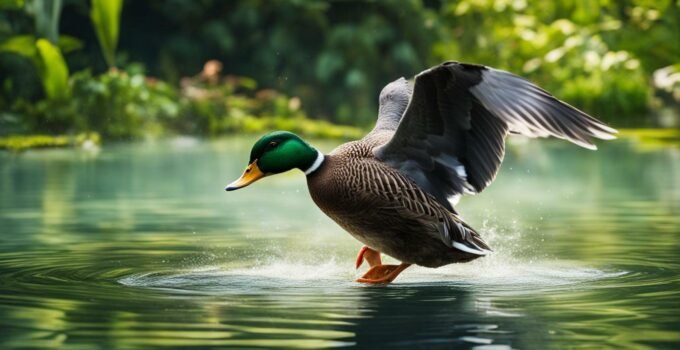
Taking care of a pet duck involves providing them with proper nutrition, a suitable living environment, and regular healthcare. These feathered companions require attention to their specific needs to ensure their well-being and happiness. In this guide, we will explore the essential aspects of pet duck care, from understanding their basic needs to creating a comfortable living space and maintaining their health. Whether you are a new or experienced duck owner, this article will provide you with valuable insights and practical tips to help you become a master in taking care of your pet duck.
Key Takeaways:
- Proper nutrition is crucial for the health of your pet duck. Ensure they have a diet that meets their nutritional needs, including a balance of protein, calcium, and other essential nutrients.
- Creating a suitable living environment is essential. Provide your pet duck with a secure and well-maintained shelter that protects them from extreme weather conditions and predators.
- Regular healthcare is necessary to ensure your pet duck’s well-being. Monitor their health regularly and seek veterinary care if they show signs of illness or discomfort.
- Pay attention to the social needs of pet ducks. They thrive on social interactions and may benefit from imprinting on a human companion or having a flock of their own.
- Protect your pet duck from predators by implementing necessary safeguards and ensuring their housing is secure, especially during the night.
Understanding the Basic Needs of Pet Ducks
When it comes to caring for a pet duck, understanding their basic needs is essential. Ducks are unique creatures with specific requirements that must be met to ensure their health and well-being. In this section, we will explore the fundamental aspects of duck care, including their dietary needs, housing requirements, and overall care tips.
Dietary Requirements
Ducks have specific dietary needs that must be met to keep them healthy and thriving. A balanced diet for a pet duck typically consists of a commercial feed designed specifically for ducks, supplemented with fresh produce. Some popular options for commercial feeds include Mazuri Waterfowl Maintenance Feed and Manna Pro Duck Layer Pellets. It’s important to provide your duck with a balanced diet to prevent nutrient deficiencies and maintain their overall health.
Housing Needs
Providing suitable housing is crucial for the well-being of your pet duck. Ducks require a safe and secure shelter that protects them from predators and adverse weather conditions. A duck house should have enough space for them to move around comfortably and should include a nesting area for laying eggs. Bedding material such as straw or wood shavings should be provided to keep the ducks warm and comfortable.
Overall Care Tips
In addition to their dietary and housing needs, pet ducks also require regular care to thrive. This includes providing clean water for drinking and swimming, as ducks enjoy splashing around in water. Regular grooming is essential to maintain their feather condition, and it’s important to handle ducks with care, as they can be easily startled. By understanding and meeting these basic needs, you can ensure that your pet duck lives a happy and healthy life.
| Requirement | Description |
|---|---|
| Dietary Needs | Provide a balanced diet of commercial feed and fresh produce. |
| Housing | Create a safe and secure duck house with enough space and bedding materials. |
| Water | Provide clean water for drinking and swimming. |
| Grooming | Regularly groom ducks to maintain their feather condition. |
| Handling | Handle ducks with care and avoid startling them. |
Creating a Suitable Duck House
When it comes to setting up a suitable duck house for your pet, there are a few key considerations to keep in mind. The primary goal is to provide a comfortable and secure environment that meets their needs. To ensure your duck’s well-being, here are some important steps to follow:
1. Choose the Right Location
Select a location for the duck house that offers protection from the elements and predators. It should have proper drainage to prevent flooding and be situated away from noisy or high-traffic areas. Additionally, consider easy access to a water source for your ducks to swim and forage.
2. Provide Adequate Space
When designing the duck house, make sure to allow enough space for your ducks to move around comfortably. Each duck requires approximately 4-6 square feet of indoor space. Additionally, provide a secure outdoor area or a fenced enclosure where they can roam and enjoy the outdoors.
3. Ensure Proper Ventilation
Ventilation is crucial in a duck house to maintain good air quality and prevent the buildup of ammonia from their droppings. Install windows or vents that can be opened and closed as needed to regulate temperature and airflow.
4. Incorporate Nesting Boxes
Ducks need nesting boxes to lay their eggs. Provide nesting boxes with bedding materials such as straw or wood shavings to create a cozy and inviting space for them. Ensure the nesting boxes are easily accessible for egg collection and cleaning.
5. Implement Predator-Proofing Measures
Protecting your ducks from predators is essential. Ensure that the duck house has sturdy walls and a secure door that can be closed at night. Dig a wire mesh skirt around the perimeter of the house to deter predators from digging underneath.
| Requirements | Needs |
|---|---|
| Protection from elements | Comfortable and secure environment |
| Proper drainage | Easy access to water source |
| Adequate indoor and outdoor space | Good air quality |
| Nesting boxes | Protection against predators |
By following these steps, you can create a suitable duck house that meets the needs of your pet ducks, providing them with a safe and comfortable living environment.
Feeding Your Pet Duck
Feeding your pet duck a balanced and nutritious diet is essential for their health and well-being. While ducks are opportunistic feeders and can forage for food on their own, it’s important to provide them with a variety of commercial feeds and supplemented produce treats to ensure they receive all the necessary nutrients.
Commercial feeds specially formulated for ducks can be a convenient and reliable option as they are designed to meet their dietary requirements. Look for high-quality feeds that are specifically labeled for ducks and include a mix of grains, proteins, vitamins, and minerals. These feeds usually come in pellet or crumble form, making it easier for ducks to consume.
In addition to commercial feeds, it’s beneficial to supplement your pet duck’s diet with fresh produce treats. Ducks enjoy a wide range of fruits and vegetables, including lettuce, peas, corn, and berries. These treats not only provide additional nutrients but also offer enrichment and variety to their diet. Just remember to chop the treats into small, manageable pieces to prevent choking.
Feeding Schedule and Quantity
Establishing a feeding schedule is important for maintaining consistency and avoiding overfeeding or underfeeding your pet duck. Aim to feed your duck twice a day, in the morning and evening. This provides them with regular meals and also helps them establish a routine.
The quantity of food will depend on the age, size, and activity level of your duck. As a general rule, ducks should consume around 0.25 to 0.5 pounds of feed per bird per day. It’s important to monitor their weight and adjust the amount accordingly. Overfeeding can lead to obesity and health problems, while underfeeding can result in malnutrition.
| Feeding Recommendations | Quantity |
|---|---|
| Commercial Feed | 0.25 – 0.5 pounds per bird per day |
| Produce Treats | Small, chopped pieces as occasional supplements |
Always ensure fresh, clean water is available for your pet duck to drink and bathe in. Ducks require water for digestion and to keep their feathers in good condition. Provide a shallow dish or a small pool for them to enjoy a quick dip and clean themselves.
Ensuring Duck Health and Wellness
Regular health monitoring and preventive care are essential for ensuring the well-being of your pet duck. Ducks, like any other animals, can be susceptible to various health issues. By being proactive and attentive to their healthcare needs, you can help prevent potential problems and maintain their overall wellness.
One of the key aspects of duck health is their diet. Ducks require a balanced diet that meets their nutritional needs. Ducklings and adolescent ducks should be fed a diet high in protein to support their growth and development. As they mature into laying ducks, it is important to provide them with a diet that includes adequate calcium for egg production.
In addition to their regular diet, occasional treats can be given to ducks. Foods like corn, carrots, and greens make for tasty and nutritious treats. However, it’s important to remember that treats should not make up more than 15-20% of their overall diet. Fresh food and clean drinking water should be available to ducks at all times.
| Feeding Tips for Ducks | Feeding Guidelines |
|---|---|
| Provide a balanced diet | Ducklings need high protein feed, and laying ducks require calcium-rich feed. |
| Offer occasional treats | Corn, carrots, and greens make good treats, but should not exceed 15-20% of their diet. |
| Ensure fresh food and water | Always provide ducks with access to clean and fresh food and drinking water. |
Aside from nutrition, it is important to provide ducks with a clean and suitable living environment. Ducks should be housed in a pen or coop that offers enough space for them to move around comfortably. The housing should also provide protection from predators and be well-ventilated to maintain good air quality. Clean and dry bedding is crucial to prevent the build-up of bacteria and to keep ducks healthy.
Furthermore, ducks require 14-17 hours of light per day to maintain their optimal health. Natural sunlight or artificial lighting can be used to ensure they receive the necessary light exposure. It’s important to remember that ducks, just like any animal, should be regularly monitored for any signs of illness or discomfort. If you notice any changes in their behavior, appetite, or appearance, it is recommended to seek veterinary care promptly.
Proper Bedding and Grooming for Ducks
Creating a clean and hygienic environment for your pet duck is crucial for their overall well-being. One important aspect of duck care is providing suitable bedding. Ducks require bedding that is soft, absorbent, and easy to clean. Popular bedding options for ducks include straw, hay, or wood shavings. Ensure that the bedding is changed regularly to maintain cleanliness and prevent the build-up of bacteria or odors.
Grooming is another essential aspect of duck care. Ducks have an oily coating on their feathers that helps protect them from water. However, this coating can become compromised if the feathers become dirty or matted. Regular grooming sessions can help keep your pet duck’s feathers clean and in good condition. Use a gentle brush or your fingers to remove any debris or dirt from their feathers. If necessary, you can also provide your duck with access to a shallow pool of water for them to clean themselves.
Grooming Tips:
- Inspect your duck’s feathers regularly for any signs of matted or damaged areas.
- Use a soft brush or your fingers to gently remove dirt or debris from their feathers.
- Ensure your duck has access to clean water for regular bathing to maintain their feather condition.
- Consider trimming overgrown feathers, but consult a veterinarian or a professional before attempting to trim them yourself.
By providing your pet duck with proper bedding and regular grooming, you can ensure their comfort and help prevent health issues. Remember to always prioritize their well-being by maintaining a clean living environment and monitoring their overall health.
| Grooming Needs | Frequency |
|---|---|
| Feather inspection | Weekly |
| Brushing or cleaning feathers | As needed |
| Bathing | As needed, but ensure access to clean water at all times |
| Trimming overgrown feathers | Consult a professional |
Providing Outdoor Enclosure or Indoor Brooder
When it comes to creating a suitable living environment for your pet ducks, you have two primary options: providing an outdoor enclosure with pond access or setting up an indoor brooder with a heat lamp. Each option has its advantages and considerations, so let’s explore the details to help you make an informed decision.
Outdoor Enclosure with Pond Access
An outdoor enclosure is an excellent choice for pet ducks, as it allows them to explore a natural setting and engage in behaviors like swimming and foraging. Here are some key considerations for setting up an outdoor enclosure:
- Ensure your enclosure is securely fenced to prevent predators from entering and to keep your ducks from wandering off.
- Provide a pond or a large, shallow area of water for your ducks to swim and bathe in. Regular access to water is crucial for their overall well-being.
- Create sheltered areas within the enclosure where your ducks can find shade, protection from the elements, and a safe place to rest.
Indoor Brooder with Heat Lamp
If you live in an area with extreme weather conditions or limited outdoor space, an indoor brooder with a heat lamp can be a suitable alternative for your pet ducks. Here are some important factors to consider when setting up an indoor brooder:
- Choose a well-ventilated space in your home that can accommodate a brooder box large enough for your ducks to move around comfortably.
- Install a heat lamp to provide a warm and cozy environment for your ducks. Ensure the temperature is maintained between 75-85°F (24-29°C) during their first few weeks of life.
- Line the brooder box with straw or pine shavings for bedding, which should be changed regularly to maintain cleanliness and hygiene.
Ultimately, the decision between an outdoor enclosure with pond access or an indoor brooder with a heat lamp will depend on your specific circumstances and the needs of your pet ducks. With the right setup, you can provide a safe and comfortable living space that allows your ducks to thrive.
| Outdoor Enclosure with Pond Access | Indoor Brooder with Heat Lamp |
|---|---|
| Allows for natural behaviors like swimming and foraging. | Provides a controlled environment, especially in extreme weather conditions. |
| Requires a securely fenced area to prevent predators from entering. | Requires a well-ventilated space in your home for the brooder box. |
| Provides regular access to a pond or shallow area of water for swimming. | Requires a heat lamp to maintain optimal temperature for the ducks. |
| Offers opportunities for ducks to engage in natural behaviors and explore. | Provides a safe and controlled environment for ducks, especially during their early stages of life. |
Flock Social Dynamics and Imprinting
When it comes to pet ducks, understanding flock social dynamics and imprinting is crucial for their overall well-being. Ducks are social animals that thrive in the company of their own kind, and establishing a stable and harmonious flock is essential for their mental and emotional health. Additionally, imprinting plays a significant role in shaping their behavior and relationship with humans.
The Importance of Flock Social Dynamics
Ducks are highly social creatures that naturally form flocks. Within a flock, they establish a social hierarchy where each duck has its place and role. Understanding these social dynamics is vital for providing a suitable environment for your pet duck. It is recommended to have at least two ducks, as they can form a bond with their flockmates and engage in natural behaviors such as preening, swimming, and foraging together.
Observing the interactions within the flock can provide valuable insights into the well-being of your ducks. Aggressive behaviors, excessive bullying, or isolation can indicate underlying issues that need to be addressed. Providing ample space, access to water, and enrichment activities can help promote positive flock dynamics and minimize any potential conflicts.
The Role of Imprinting
Imprinting is a critical process that occurs early in a duckling’s life, during which they form a strong bond with their caregiver. This imprinting period typically takes place within the first 24-48 hours after hatching. If properly imprinted, ducks can develop a trusting and affectionate bond with humans, making them more sociable and easier to handle.
Imprinting requires gentle and positive interactions during the early stages of a duckling’s life. Spending quality time with them, providing necessary care, and ensuring their comfort and safety will establish a strong foundation for a positive human-companion duckling relationship. However, it’s important to remember that while imprinting enhances sociability, ducks still need the companionship of their own kind to thrive.
| Key Points | Details |
|---|---|
| Ducks are social animals | Ducks thrive in the company of their own kind and should be kept in a flock. |
| Flock social dynamics | Understanding the social hierarchy and interactions within the flock is crucial for their well-being. |
| Benefits of imprinting | Imprinting establishes a bond between ducks and their caregiver, enhancing their sociability and easier handling. |
| Balancing human and duck companionship | Ducks need both human interaction and the companionship of their own kind to maintain their overall well-being. |
Protecting Your Duck from Predators
When it comes to keeping your pet duck safe from predators, there are several measures you can take to ensure their security. It’s important to remember that ducks are vulnerable to a variety of predators, including raccoons, foxes, coyotes, and birds of prey. By implementing the following predator protections and securing their housing, you can minimize the risks and create a safe environment for your feathered friend.
Securing the Duck Housing:
One of the most crucial aspects of protecting your duck is securing their housing. Make sure their enclosure has sturdy fencing that is at least three to four feet high, buried at least a foot into the ground to prevent digging predators from entering. Additionally, reinforce any potential weak spots in the fencing or housing to prevent animals from squeezing through or breaking in. Consider using hardware cloth or wire mesh with small openings to prevent smaller predators from accessing the enclosure.
“Properly securing the duck housing is essential to keep your pet safe from predators.” – Duck Care Expert
Minimizing Night Dangers:
Nocturnal predators pose a significant threat to ducks, especially during the night when they are most vulnerable. Ensure that the duck house is securely locked at night to prevent predators from gaining access. Install latches or locks on doors and windows, and consider reinforcing vulnerable areas with additional hardware cloth or wire mesh. Providing a well-lit area around the duck house can also deter predators from approaching, as they tend to avoid well-lit spaces.
Implementing Deterrents:
In addition to securing the duck housing, you can use deterrents to discourage predators from approaching the area. Motion-activated lights or sound devices can startle animals and make them think twice before approaching. Additionally, installing scarecrows or other visual deterrents can help keep predators at bay. Regularly inspect the surrounding area for any potential hiding spots, such as overgrown vegetation or fallen trees, and remove them to eliminate potential hiding places for predators.
| Predator Protection Measures | Effectiveness |
|---|---|
| Secure fencing and housing | Highly effective |
| Well-lit area around the duck house | Effective |
| Motion-activated lights or sound devices | Moderately effective |
| Visual deterrents, such as scarecrows | Moderately effective |
| Regular inspection and removal of potential hiding spots | Effective |
By implementing these predator protection measures, you can significantly reduce the risk of predators harming your beloved pet duck. Remember that vigilance and regular maintenance are key to ensuring their safety. With proper protections in place, you can provide your duck with a secure and comfortable environment to thrive in.
Handling and Bathing Your Duck
Proper handling and bathing are essential for maintaining the health and well-being of your pet duck. Ducks have delicate feathers that require regular cleaning and waterproofing to ensure their insulation and buoyancy. Here are some tips for gentle handling and effective bathing:
Gentle Handling
When handling your duck, it’s important to be gentle and avoid any rough movements or handling techniques. Ducks can become stressed or injured if mishandled, so it’s crucial to approach them with care. Always support their body and wings, and avoid squeezing or putting excessive pressure on them. Patience and a calm demeanor will go a long way in gaining your duck’s trust and making the handling experience positive for both of you.
Waterproof Bathing
Bathing is a vital part of duck care as it helps remove dirt and debris from their feathers while ensuring they retain their waterproofing abilities. Ducks have a gland called the preen gland near the base of their tail, which produces oil used in waterproofing their feathers. When bathing your duck, make sure the water is not too deep, as ducks can easily become overwhelmed or frightened. Use lukewarm water and a gentle, non-toxic shampoo specifically formulated for waterfowl. Avoid getting water in their eyes and ears, as this can cause discomfort or infection. After bathing, allow your duck to air dry or use a hairdryer on a low setting to ensure their feathers dry completely.
Table: Duck Handling and Bathing Tips
| Handling | Bathing |
|---|---|
| Support the body and wings when handling. | Use lukewarm water for bathing. |
| Avoid squeezing or putting excessive pressure on the duck. | Use a gentle, non-toxic shampoo formulated for waterfowl. |
| Approach with patience and a calm demeanor to gain trust. | Avoid getting water in the duck’s eyes and ears. |
| Be mindful of the duck’s stress levels during handling. | Allow the duck to air dry or use a hairdryer on a low setting. |
By following these tips, you can ensure that your pet duck stays clean, healthy, and happy. Regular handling and bathing will contribute to their overall well-being and strengthen the bond between you and your feathered friend.
Enrichment and Training Possibilities for Ducks
Keeping your pet duck mentally stimulated and providing opportunities for training can greatly enhance their overall well-being. Enrichment activities not only prevent boredom but also encourage natural behaviors and promote a healthy, happy duck. Additionally, training can help establish a strong bond between you and your feathered friend. Here are some enrichment and training possibilities for your pet duck:
1. Clean Litter Training
Just like cats, ducks can also be trained to use a designated litter area. Start by placing a shallow tray or small litter box filled with bird-friendly litter, such as straw or wood shavings, in a corner of their living space. Whenever you notice your duck relieving themselves, gently relocate them to the litter area. Be patient and consistent with the training process, rewarding your duck with praise and treats when they successfully use the litter box. Over time, they will learn to associate the litter area with bathroom breaks, making clean-up much easier for you.
2. Foraging Games
Ducks are natural foragers, and engaging their foraging instinct through games can be both mentally stimulating and entertaining. Scatter treats or their regular food in different areas of their enclosure or outdoor space, encouraging them to search for their meals. You can use puzzle feeders, hiding treats inside balls or containers that require the duck to figure out how to access them. This kind of activity not only provides entertainment but also encourages physical activity and problem-solving skills.
3. Training Tricks
Training your pet duck to perform simple tricks can be a fun and rewarding experience. Start with basic commands like “sit” or “stay,” and use positive reinforcement techniques such as treats and praise to reward their successful execution. Be patient with your duck, as they may take some time to understand and respond to the training commands. Remember to keep training sessions short and enjoyable, always ending on a positive note.
| Enrichment and Training Possibilities for Ducks |
|---|
| Clean Litter Training |
| Foraging Games |
| Training Tricks |
By incorporating these enrichment and training possibilities into your pet duck’s routine, you can provide them with mental stimulation, improve their overall well-being, and strengthen the bond between you and your feathered companion. Remember, a happy duck is a healthy duck!
Conclusion
In conclusion, mastering the art of taking care of a pet duck requires a comprehensive understanding of their basic needs and diligent commitment to their well-being. By ensuring they have suitable housing, a balanced diet, and regular health check-ups, you can provide a comfortable and nurturing environment for your feathered friend.
Remember, creating a suitable duck house is essential for their safety and protection, while proper feeding practices will keep them healthy and satisfied. Additionally, paying attention to their grooming needs and providing them with social interactions are crucial for their overall happiness and behavior.
Lastly, it is vital to safeguard your pet duck from potential threats or predators and handle them with care during bath time. Offering enrichment activities and considering training possibilities can also enhance their overall quality of life.
By following these guidelines and embracing responsible pet duck ownership, you can develop a rewarding bond with your feathered companion and ensure their well-being for years to come.
FAQ
How do I protect my pet duck from extreme weather conditions?
Provide a sheltered area that is clean and dry, with protection from rain, wind, and extreme temperatures.
What should I feed my ducklings and adolescent ducks?
Ducklings and adolescent ducks should be fed a diet high in protein to support their growth and development.
What should I feed my laying ducks?
Laying ducks should be provided with a diet that includes calcium, as they require extra nutrients for egg production.
Can I give treats to my ducks?
Yes, treats like corn, carrots, and greens can be given occasionally, but should not make up more than 15-20% of their diet.
How often should I provide fresh food and clean drinking water to my ducks?
Ducks should have access to fresh food at all times and clean drinking water to stay hydrated and healthy.
How should I house my ducks?
Ducks should be housed in a pen with adequate space and protection from predators. Their housing should be kept clean and well-ventilated.
How much light do ducks need?
Ducks require 14-17 hours of light per day to maintain their natural biological rhythms.
How can I monitor the health of my ducks?
It is important to regularly monitor your ducks for signs of illness. If they show any signs of illness, seek veterinary care immediately.
What kind of bedding should I provide for my ducks?
Ducks need clean and comfortable bedding, such as straw or wood shavings, to keep them dry and comfortable.
Should I provide an outdoor enclosure or an indoor brooder for my ducks?
Ducks can be provided with an outdoor enclosure that allows them access to a pond or an indoor brooder with a heat lamp to keep them warm.
How can I protect my ducks from predators?
Ensure that your duck housing is secure and provides protection from predators, especially during the night when they are most vulnerable.
How should I handle and bathe my ducks?
Handle your ducks gently and provide them with access to water for bathing. Ducks are naturally waterproof, so they do not require frequent bathing.
What kind of enrichment and training can I provide for my ducks?
Ducks can benefit from environmental enrichment like clean litter or shallow pools. While they may not require formal training, you can interact with them to build a bond.