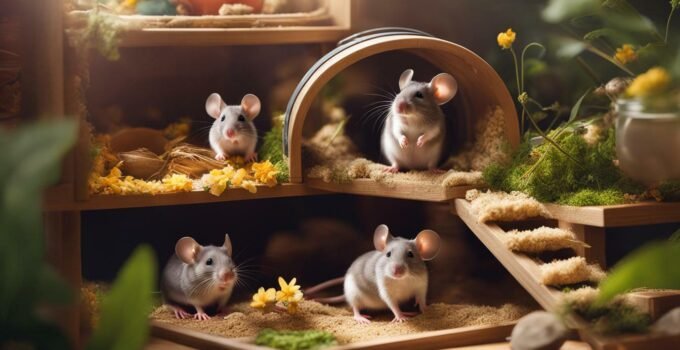
Taking care of a pet mouse requires attention to detail and proper care techniques to ensure a happy and healthy furry friend. These small rodents may be low-maintenance pets, but they still require specific care to thrive in captivity. By providing the right habitat, diet, exercise, and socialization, you can create a nurturing environment for your pet mouse.
Key Takeaways:
- Choose a suitable enclosure for your pet mouse, such as an aquarium or wire cage, with ample space and proper ventilation.
- Use soft, clean bedding materials to create a comfortable nesting environment for your mouse.
- Feed your pet mouse a well-balanced diet that includes a formulated rodent pellet and a variety of seeds, grains, and fresh fruits and vegetables.
- Provide opportunities for exercise and mental stimulation through the use of an exercise wheel and engaging toys.
- Handle your pet mouse gently and with patience, allowing them to become comfortable with human interaction at their own pace.
Setting Up the Perfect Mouse Habitat
Creating a comfortable and secure habitat is crucial for your pet mouse’s well-being. When setting up their enclosure, there are a few key factors to consider. First, choose a suitable housing option, such as an aquarium or wire cage, that provides ample space for your mouse to explore and play. Ensure that the enclosure has a well-ventilated design to promote proper air circulation and prevent any buildup of odors or ammonia.
Next, it’s essential to invest in a lid that is escape-proof and secure. Mice are known for their agility and ability to squeeze through small gaps, so ensuring the lid is secure will prevent any unintended escapes. This will also protect your pet mouse from potential hazards in your home and keep them safe.
In addition to the housing and lid, selecting the right bedding material is crucial. Opt for clean and soft nesting materials that provide comfort for your pet mouse. Avoid using materials with strong scents, as they can cause stress for your furry friend. It’s important to regularly clean out the bedding and replace it with fresh material to maintain a clean and hygienic environment for your pet.
| Key Considerations for Setting Up the Mouse Habitat: |
|---|
| Choose a spacious and well-ventilated enclosure |
| Invest in an escape-proof and secure lid |
| Use clean and soft nesting bedding materials |
| Regularly clean and replace the bedding |
Choosing the Right Bedding Material for Your Mouse
Providing the right bedding material is essential to ensure your pet mouse feels safe and comfortable in its habitat. Clean and soft nesting bedding materials are ideal for creating a cozy and stress-free environment for your little friend. Not only does the right bedding help prevent smells, but it also minimizes stress levels, promoting your mouse’s overall well-being.
When selecting bedding for your pet mouse, opt for materials that are clean and free from any chemicals or toxins that could harm your pet. Examples of suitable bedding materials include shredded paper, aspen shavings, or paper-based bedding. These options are soft, absorbent, and provide a comfortable surface for your mouse to nest, burrow, and play.
It’s essential to avoid using cedar or pine shavings as bedding materials for mice. The aromatic oils in these types of wood can be harmful to their respiratory system and may cause health issues. Additionally, avoid materials like fluffy cotton bedding or dusty substrates, as they can pose a risk of intestinal blockage if ingested by your mouse.
Bedding Material Comparison
| Bedding Material | Advantages | Disadvantages |
|---|---|---|
| Shredded Paper | – Soft and comfortable – Excellent odor control – Safe for nesting and burrowing | – May require frequent changing – Can be less absorbent than other options |
| Aspen Shavings | – Natural, odorless, and dust-free – Highly absorbent – Safe for respiratory health | – May be pricier than other options – Can be less suitable for nesting |
| Paper-Based Bedding | – Soft and absorbent – Environmentally friendly – Safe for sensitive mice | – May require frequent changing – Can be less suitable for burrowing |
Remember to provide enough bedding material for your mouse to create nests and burrows. Aim for a depth of about 1-2 inches to allow your mouse to exhibit natural behaviors and feel secure. Regularly monitor the bedding condition to ensure cleanliness and freshness, and replace it as needed to maintain a healthy and comfortable environment for your pet mouse.
Feeding Your Pet Mouse a Nutritious Diet
Offering a nutritious diet is crucial to keeping your pet mouse healthy and happy. Mice are omnivores and require a well-balanced diet that includes a combination of formulated rodent pellets and a variety of fresh foods. A high-quality rodent pellet should form the foundation of their diet, providing essential nutrients and vitamins. Look for a pellet mix that is specifically formulated for mice.
In addition to pellets, it’s important to supplement their diet with a variety of seeds, grains, and fresh fruits and vegetables. This will provide them with additional nutrients and help keep their diet diverse and interesting. Some suitable options include sunflower seeds, oats, broccoli, apples, and carrots. Just be sure to introduce new foods gradually to avoid any digestive upset.
When offering fresh foods, it’s important to remember that mice have small stomachs and can quickly become overweight. Offer small amounts of fresh foods daily, removing any uneaten portions after a couple of hours. This will help prevent spoilage and keep their enclosure clean.
Sample Diet Plan:
| Food | Frequency | Portion Size |
|---|---|---|
| Formulated rodent pellets | Daily | Approximately 2 tablespoons |
| Seeds and grains (e.g., sunflower seeds, oats) | 2-3 times a week | A small pinch |
| Fresh fruits and vegetables (e.g., broccoli, apples, carrots) | Daily | A small piece or slice |
Remember to always provide your pet mouse with fresh water, either in a water bottle or a shallow dish that is easily accessible. Regularly clean and refill the water container to ensure their hydration needs are met.
By providing a nutritious and varied diet, you are ensuring that your pet mouse receives the essential nutrients they need to thrive. Remember to consult with a veterinarian specializing in small animals if you have any specific dietary concerns or questions about your mouse’s health.
Exercise and Enrichment for Your Mouse
Regular exercise and enrichment activities are essential for keeping your pet mouse active and engaged. These small creatures have boundless energy and curiosity, and providing them with opportunities for physical and mental stimulation is crucial for their overall well-being.
One of the simplest and most effective ways to ensure exercise for your mouse is through the use of an exercise wheel. Choose a wheel that is large enough for your mouse to run on comfortably, and make sure it has a solid surface without any gaps or dangerous parts that could cause injury. Place the wheel in your mouse’s enclosure, and watch as they happily run on it, burning off energy and staying fit.
In addition to an exercise wheel, you can also incorporate various toys and hiding spots in your mouse’s habitat to keep them entertained. Mice love to explore, climb, and hide, so providing them with a multi-level cage or adding ramps, tunnels, and platforms can create a stimulating environment. Keep in mind that all toys and structures should be made specifically for mice, as materials that are toxic or too fragile could pose a risk to their safety.
Enrichment activities
Enrichment activities go beyond physical exercise and allow your mouse to engage their intellect and natural behaviors. A simple way to provide enrichment is by scattering their food throughout their enclosure, encouraging them to forage and search for their meals. This mimics their natural instincts and keeps them mentally stimulated.
Another form of enrichment is by introducing new objects or scents into their environment. This could be as simple as providing cardboard tubes, paper towel rolls, or shredded paper for them to explore and play with. You can also offer them small, safe items from nature, such as dried leaves or twigs, to pique their curiosity.
The importance of interaction
While mice are generally social animals, their level of interaction with humans can vary. Some mice may enjoy being handled and gently stroked, while others may prefer to observe from a distance. It’s important to always respect your mouse’s boundaries and only handle them if they are comfortable with it. This will help build trust and ensure a positive experience for both you and your pet.
| Exercise and Enrichment Tips for Your Mouse: |
|---|
| Provide an exercise wheel for your mouse to run on. |
| Incorporate various toys, climbing structures, and hiding spots in their habitat. |
| Scatter their food to encourage foraging behavior. |
| Introduce new objects and scents for mental stimulation. |
| Respect your mouse’s boundaries and handle them gently only if they are comfortable. |
Gentle Handling and Taming Techniques
Building trust with your pet mouse through gentle handling and taming techniques is key to forming a strong bond. Mice are sensitive creatures that require patience and rewards to feel comfortable in your presence. Here are some tips to help you handle and tame your pet mouse:
- Start with a quiet and calm environment: Mice are easily startled, so choose a peaceful space where they can feel safe. Dim the lights and minimize any loud noises that might frighten them.
- Approach with gentleness and patience: When picking up your mouse, cup your hands and approach from the side rather than from above. Move slowly and avoid sudden movements. If your mouse seems anxious or resistant, give them some time to adjust before trying again.
- Reward positive behavior: Whenever your mouse allows you to handle them without struggling or showing signs of distress, reward them with a small treat. This positive reinforcement will help them associate handling with positive experiences.
- Respect their boundaries: Pay attention to your mouse’s body language. If they show signs of stress or discomfort, such as squeaking or trying to escape, it’s important to respect their boundaries and give them some space.
Hand-taming your mouse
In addition to handling, hand-taming is an important process that helps your mouse become more comfortable with human interaction. Follow these steps to hand-tame your pet mouse:
- Start by offering treats: Place a small treat, such as a piece of their favorite food, in the palm of your hand. Allow your mouse to approach and take the treat at their own pace. This will help them associate your hand with something positive.
- Gradually increase contact: After your mouse becomes comfortable taking treats from your hand, you can start gently stroking their back while offering the treat. Gradually increase the duration of contact over time.
- Be consistent and patient: Taming takes time, and every mouse is different. Stay consistent with your handling routine and be patient. It’s important to respect your mouse’s comfort level and never force them into anything.
Remember, the goal is to build a trusting relationship with your pet mouse. By using gentle handling techniques, patience, and rewards, you can create an environment where your mouse feels safe and cared for.
| Signs of a Comfortable Mouse | Signs of an Uncomfortable Mouse |
|---|---|
|
|
Monitoring Your Pet Mouse’s Health
Ensuring the health and well-being of your pet mouse is of utmost importance. Regular monitoring can help detect any potential health issues early on and allow for prompt intervention. Here are some essential aspects to consider when it comes to pet mouse health care:
Nutrition and Hydration
Providing a balanced diet is crucial for your mouse’s overall health. Ensure they have access to fresh food and clean water at all times. A diet rich in essential nutrients, such as proteins, carbohydrates, and vitamins, promotes a strong immune system and supports their overall well-being. Monitor their water intake and make sure it is consistent to prevent dehydration. If you notice any sudden changes in appetite or water consumption, consult a veterinarian.
Behavior and Activity Levels
Pay close attention to your pet mouse’s behavior and activity levels. They are naturally curious and active creatures, so any sudden changes in behavior may indicate underlying health issues. Look out for signs of lethargy, changes in appetite, excessive grooming, or hiding for extended periods. These could be indicators of stress, illness, or discomfort. If you observe any unusual behavior, it’s best to seek professional advice to ensure your mouse’s well-being.
Respiratory Health
Mice are susceptible to respiratory problems, so it’s essential to monitor their respiratory health. Signs of potential respiratory issues include rapid or labored breathing, wheezing, sneezing, or discharge from the nose or eyes. Keep their habitat clean and well-ventilated to minimize the risk of respiratory infections. If you notice any respiratory symptoms, consult a veterinarian promptly for proper diagnosis and treatment.
Regular Veterinary Check-ups
Just like any other pet, mice also require regular veterinary check-ups to assess their overall health and detect any potential health issues. Schedule routine visits with an experienced exotic pet veterinarian. They can conduct a thorough examination, provide preventive care, and address any concerns you may have. Regular check-ups can help ensure your pet mouse is receiving the appropriate care and intervene in any health issues before they become severe.
Remember, your pet mouse’s health is your responsibility. By monitoring their health closely and seeking professional advice when needed, you can provide them with a happy, healthy life.
| Signs of a Healthy Mouse | Signs of Potential Health Issues |
|---|---|
| Active and alert | Lethargy or excessive sleepiness |
| Healthy weight and body condition | Rapid weight loss or gain |
| Smooth and clean fur | Excessive grooming or fur loss |
| Clean and bright eyes | Cloudy or red eyes, discharge |
| Smooth breathing | Rapid or labored breathing, sneezing |
| Regular eating and drinking | Loss of appetite or excessive thirst |
Maintaining a Clean and Calm Mouse Environment
Maintaining a clean and calm environment is essential for your pet mouse’s health and happiness. Regular cleaning of their habitat not only ensures a hygienic living space but also prevents the buildup of harmful bacteria and odors. It is recommended to clean your mouse’s enclosure at least once a week or more frequently if necessary.
When cleaning the habitat, use gentle and non-toxic cleaning solutions. Avoid using strong chemicals or harsh detergents that could be harmful to your pet. Instead, opt for mild soapy water or a vinegar solution to clean the cage surfaces, accessories, and toys. Rinse everything thoroughly to remove any residue.
In addition to routine cleaning, creating a calm environment is equally important. Mice are sensitive creatures and can easily become stressed in chaotic or noisy surroundings. Place their habitat in a quiet area of your home where they can have some privacy. Avoid placing their enclosure near loud appliances or in areas with excessive foot traffic, as this could disturb their sleep and overall well-being.
| Tips for maintaining a clean and calm mouse environment: |
|---|
| 1. Perform regular spot cleaning of the habitat to remove any soiled bedding or droppings. |
| 2. Provide a comfortable and soft bedding material that helps absorb odors. |
| 3. Ensure proper ventilation in the enclosure to prevent the buildup of ammonia fumes. |
| 4. Use a secure lid or cover for the mouse habitat to prevent escapes and keep out predators. |
By following these simple guidelines and maintaining a clean and calm environment, you can provide your pet mouse with a safe and comfortable home, allowing them to thrive and be happy.
Understanding Your Mouse’s Social Needs
When it comes to the social needs of pet mice, there are a few key considerations to keep in mind. While mice are generally social animals, their specific temperament can greatly influence whether they should be kept alone or with companions. Understanding your mouse’s temperament is crucial in providing them with the appropriate social environment.
Some mice have a more independent and solitary temperament, preferring to live alone. These mice may become stressed or territorial when housed with other mice, leading to conflicts and potential aggression. It is essential to respect their individuality and provide them with a safe and comfortable living space where they can thrive on their own.
On the other hand, some mice are more social and enjoy the company of their fellow rodents. These mice thrive in the presence of companions and benefit from the social interaction. When keeping social mice, it is important to introduce them properly and provide adequate space and resources to prevent overcrowding or competition for resources.
Ultimately, it is essential to observe your mouse’s behavior and preferences to determine whether they are best suited for a solitary or social living arrangement. Providing the right social environment for your mouse will contribute to their overall well-being and happiness.
The Importance of Socialization
Socialization plays a vital role in a mouse’s life, regardless of whether they are kept alone or with companions. Spending time with your mouse, gently handling and interacting with them, helps build trust and strengthens the bond between you. Regular socialization sessions not only provide mental stimulation but also contribute to your mouse’s overall health and well-being.
During socialization, you can introduce your mouse to various toys and enrichments, allowing them to explore and engage with their environment. This helps satisfy their natural curiosity and stimulates their intellect. It is important to create a calm and secure environment during socialization sessions, ensuring your mouse feels safe and comfortable.
| Benefits of Socialization for Mice |
|---|
| 1. Promotes mental stimulation and prevents boredom. |
| 2. Builds trust and strengthens the bond between you and your mouse. |
| 3. Encourages exploration and satisfies their natural curiosity. |
| 4. Provides an opportunity for physical exercise. |
Remember, each mouse is unique, and their social needs may vary. It is crucial to observe your mouse’s behavior and adjust their socialization and living arrangements accordingly. By understanding and addressing their social needs, you can ensure that your pet mouse leads a happy and fulfilling life.
Creating a Safe Environment for Your Mouse
Creating a safe environment is essential to prevent any harm or danger to your pet mouse. When setting up your mouse’s habitat, ensure that it is well-ventilated, escape-proof, and equipped with a secure lid. This will prevent your mouse from accidentally escaping and protect them from potential hazards.
If you choose an enclosure, such as an aquarium or wire cage, make sure it provides ample space for your mouse to move around comfortably. Avoid using cages with wide bar spacing that a mouse could squeeze through. Additionally, consider using a solid flooring or adding a thin layer of bedding material to prevent your mouse’s feet from getting caught or injured.
When choosing a lid for your mouse’s enclosure, opt for a secure option that cannot be easily opened or tampered with. This will ensure that your mouse remains safely inside their habitat and cannot be accessed by other household pets or curious hands.
| Important Tips for Creating a Safe Environment: |
|---|
| Ensure the enclosure is well-ventilated to maintain a fresh and comfortable environment for your mouse. |
| Regularly inspect the habitat for any potential escape routes or damaged areas that could pose a risk to your mouse’s safety. |
| Keep the habitat away from direct sunlight, extreme heat, or cold drafts to maintain a stable room temperature. |
| Remove any toxic plants, chemicals, or small objects that your mouse could chew on or ingest. |
By following these guidelines and providing a safe environment, you can ensure that your pet mouse stays happy and healthy. Remember, regular monitoring and maintenance are crucial to ensure their well-being.
Ensuring Enjoyment and Stimulation for Your Mouse
Keeping your pet mouse engaged and stimulated is crucial for their overall well-being and happiness. These curious creatures have sharp intellects and a natural inclination to explore and discover. To provide them with an environment that promotes mental and physical stimulation, consider incorporating the following elements into their daily routine:
- Enrichment Toys: Offer a variety of toys that encourage exploration, such as tunnels, mazes, and puzzle feeders. These toys tap into your mouse’s natural curiosity, providing mental stimulation and entertainment.
- Exercise Opportunities: A running wheel is a must-have for a pet mouse. It allows them to burn off energy and maintain their physical health. Additionally, consider providing opportunities for climbing and jumping, such as small platforms or ladders, to keep them engaged and active.
- Nesting Materials: Mice love to build nests, so supplying them with nesting materials like soft shredded paper or tissues not only provides comfort but also allows them to engage in their natural instinct to create a cozy hideaway.
- Scents and Sounds: To engage your mouse’s senses, introduce different scents and sounds into their environment. This can be as simple as placing a small amount of fresh herbs or flowers near their habitat or playing soft, soothing music. However, ensure that any scents or sounds you introduce are mild and not overwhelming for your mouse.
The Importance of Routine
Mice thrive on routine and predictability. Establishing a consistent schedule for feeding, cleaning, and playtime can provide them with a sense of security and stability. Being creatures of habit, they will quickly adapt to a routine and feel more comfortable and content in their environment.
“A well-structured routine ensures that your pet mouse knows what to expect and can anticipate enjoyable activities.”
Additionally, try to vary their enrichment activities and introduce new elements regularly to prevent boredom. This can be as simple as rotating their toys or changing up the layout of their habitat. By keeping their environment dynamic and engaging, you will provide them with endless opportunities for exploration and mental stimulation.
The Rewards of Engagement
Spending quality time with your mouse not only enriches their life but also deepens the bond between you. By engaging with them in a calm and gentle manner, you can build trust and cooperation. Offer treats or rewards during training sessions or playtime to reinforce positive behaviors and enhance the overall enjoyment for both you and your mouse.
In conclusion, by incorporating enrichment toys, providing exercise opportunities, offering nesting materials, introducing scents and sounds, establishing a routine, and actively engaging with your mouse, you can ensure their enjoyment and stimulation. Remember to observe your mouse’s preferences and adjust their environment accordingly. With these measures in place, you’ll create a fulfilling and stimulating life for your pet mouse.
| Summary Table: Ensuring Enjoyment and Stimulation for Your Mouse | |
|---|---|
| Key Elements | Importance |
| Enrichment Toys | Provide mental stimulation and entertainment |
| Exercise Opportunities | Promote physical health and keep mice active |
| Nesting Materials | Allow mice to engage in natural nesting behavior |
| Scents and Sounds | Engage mice’s senses and provide a richer environment |
| Routine | Offer security, stability, and anticipation |
| Engagement and Rewards | Deepen the bond and enhance overall enjoyment |
Conclusion
In conclusion, taking care of a pet mouse requires attention to detail and following expert guidance to ensure their well-being. By setting up the perfect mouse habitat, choosing the right bedding material, providing a nutritious diet, and offering ample exercise and enrichment opportunities, you can create a safe and stimulating environment for your pet mouse.
Additionally, gentle handling and taming techniques, along with monitoring your pet mouse’s health and maintaining a clean and calm environment, are crucial for their overall happiness and longevity. Understanding your mouse’s social needs and creating a safe environment further contribute to their well-being.
Remember, it is essential to provide enjoyment and stimulation for your pet mouse to keep them engaged and thriving. By following these guidelines and prioritizing their care, you can establish a strong bond with your furry friend and ensure they lead a healthy and fulfilled life.
FAQ
How often should I clean my pet mouse’s enclosure?
It’s recommended to clean your pet mouse’s enclosure at least once a week. This will help maintain a clean and healthy environment for your mouse.
What should I feed my pet mouse?
A high-quality rodent pellet should be the main component of your mouse’s diet. Supplement their diet with seeds, grains, and fresh fruits and vegetables for additional nutrition.
Do mice need exercise?
Yes, mice need regular exercise to stay healthy and stimulated. Provide them with an exercise wheel and other toys to encourage physical activity.
How should I handle my pet mouse?
It’s important to handle your pet mouse gently and only if they are comfortable with it. Use patience and rewards to gradually build trust and make handling an enjoyable experience for your mouse.
What signs should I watch for to monitor my mouse’s health?
Keep an eye out for any changes in appetite, behavior, or physical appearance. If you notice any signs of illness, it’s important to consult a veterinarian who specializes in small animals.
Can my pet mouse interact with other household pets?
It’s best to keep your pet mouse separate from other household pets, as interactions can be stressful or even dangerous for the mouse. Keep them in a secure enclosure away from other animals.
How can I maintain a clean environment for my pet mouse?
Regularly clean your mouse’s enclosure, removing any soiled bedding and waste. Ensure the habitat is calm and free from excessive noise or disturbances.
Does my mouse need companionship?
Mice are social animals and can benefit from having a companion of the same sex. However, some mice may prefer to be alone, so it’s important to observe their behavior and provide what suits them best.
How can I create a safe environment for my pet mouse?
Use a well-ventilated and escape-proof enclosure with a secure lid to prevent any accidents or escapes. Avoid exposing your mouse to extreme temperatures or drafts.
How can I stimulate and engage my pet mouse?
Provide your mouse with a spacious habitat that includes toys, hiding spots, and opportunities for exploration. Rotate and introduce new toys regularly to keep them mentally stimulated.