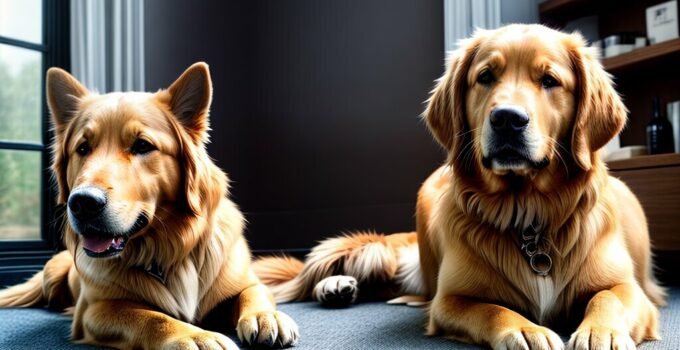
Grooming is crucial for a pet’s overall health and well-being, but it also plays a significant role in achieving a shiny coat that looks and feels great. Regularly grooming your pet can help prevent skin and coat problems, reduce shedding, and promote a healthy and lustrous coat.
This article will provide expert tips on effective pet grooming techniques for a shiny coat, including brushing, bathing, and nutrition. You’ll learn how to choose the right grooming tools and products, as well as how to address common coat problems and manage shedding and hair loss.
Key Takeaways:
Regular grooming is essential for maintaining a shiny coat and promoting overall pet health.
The right grooming tools and products can make a significant difference in achieving a glossy coat.
Nutrition plays a crucial role in a pet’s coat health, and supplements can help enhance shine.
Understanding the Basics of Pet Grooming
Grooming is an essential part of maintaining a shiny and healthy coat in pets. It involves regular cleaning, brushing, and inspection of your pet’s coat and skin. Following the basic grooming practices will help prevent skin problems and maintain the natural shine and health of your pet’s coat.
Bathing
Bathing is necessary for removing dirt, debris, and parasites from your pet’s coat. The frequency of bathing depends on the breed, coat type, and lifestyle of your pet. In general, pets with short hair can be bathed once a month, while those with long hair may need to be bathed every 2-4 weeks. Use lukewarm water and a mild shampoo and conditioner specifically formulated for pets. Rinse thoroughly with clean water and dry your pet with a towel or a hair dryer set on a low temperature, holding it at least 6 inches from your pet’s coat.
Brushing
Brushing is an important part of pet grooming, especially for pets with long hair. It helps remove dead hair and skin, prevent matting, and distribute natural oils throughout the coat. Use a brush or comb suitable for your pet’s coat type and start from the head and work your way down to the tail. Be gentle and avoid pulling or tugging on the hair. Brush your pet’s coat at least once a week, or more frequently if your pet has a tendency to shed excessively.
Inspections
Regular inspections of your pet’s coat and skin can help you detect and address any issues in a timely manner. Check for any signs of parasites, such as fleas and ticks, as well as skin infections, lumps, and bumps. Inspect your pet’s ears, eyes, teeth, and nails, as these areas require attention too. If you notice any abnormality, consult with your veterinarian for proper diagnosis and treatment.
Choosing the Right Tools for Effective Grooming
When it comes to maintaining a shiny coat for your pet, choosing the right grooming tools is essential. Different coat types and textures require different tools, and using the wrong ones can cause damage or discomfort to your furry friend.
Investing in high-quality brushes and combs can make a significant difference in the appearance and health of your pet’s coat. For short-haired breeds, a soft-bristled brush can effectively remove loose fur and dirt. On the other hand, long-haired breeds require more specialized brushes, such as slicker brushes or pin brushes, to detangle and remove mats.
In addition to brushes, selecting the right shampoo and conditioner is also crucial. Always opt for products that are specifically formulated for your pet’s coat type and avoid using human shampoos, as they can cause dryness and irritation to your pet’s sensitive skin.
| Coat Type | Recommended Brush | Recommended Shampoo/Conditioner |
|---|---|---|
| Short-haired | Soft-bristled brush | Mild pet shampoo and conditioner |
| Long-haired | Slicker brush or pin brush | Conditioning shampoo and detangling conditioner |
| Curly-haired | Wide-toothed comb or slicker brush | Moisturizing shampoo and conditioner |
Always ensure that your grooming tools are clean and in good condition to prevent dirt and bacteria buildup or injury to your pet’s skin. Regularly inspecting your pet’s coat for signs of skin irritation or matting and addressing them promptly can also help maintain a healthy and shiny coat.
Brushing Techniques for a Shiny Coat
Proper brushing is key to maintaining a shiny coat for your furry friend. The type of brush you use depends on your pet’s coat type. For short-haired pets, use a bristle brush or a curry brush. For long-haired pets, use a slicker brush, a pin brush, and a comb. Follow these steps to brush your pet’s coat:
- Start by combing through any tangles or mats with a comb.
- Brush the coat in the natural direction of the fur, working from the head to the tail. Use gentle strokes and avoid pressing too hard on the skin.
- Pay special attention to areas prone to matting, such as behind the ears and under the legs.
- Use a pin brush or slicker brush for longer coats to remove loose hair and prevent tangles.
- Finish with a bristle brush to distribute natural oils and add shine.
It’s important to brush your pet’s coat regularly, at least once or twice a week for short-haired breeds and daily for long-haired breeds. Not only does it keep their coat shiny, but it also helps distribute natural oils, removes dead hair, and prevents matting. Take the time to make it a positive experience for your pet, offering treats and praise while grooming.
Bathing Tips for a Shiny Coat
Bathing is an essential part of keeping your pet’s coat shiny and healthy. Here are some tips to make sure you’re doing it right:
- Choose a shampoo that is specifically formulated for your pet’s coat type to promote a healthy shine.
- Thoroughly brush your pet’s coat before bathing to remove any loose hair and mats.
- Use lukewarm water and wet your pet’s coat completely. Avoid getting water in their ears or eyes.
- Gently massage the shampoo into your pet’s coat, starting at the neck and working your way down to the tail. Rinse thoroughly to ensure all shampoo is gone, as leftover shampoo can irritate the skin and dull the coat.
- Use a conditioner after shampooing to further nourish the coat. Rinse the conditioner thoroughly as well.
- Towel dry your pet gently, absorbing as much water as possible, then use a hair dryer on a low setting to finish drying your pet’s coat, but use it from a safe distance and ensure not to overheat your pet.
Frequency of bathing depends on your pet’s activity level and coat type. A dog that spends a lot of time outdoors or has an oily coat may require more frequent bathing than a dog that is mostly indoor or has a dry coat. However, over-bathing can strip the coat of its natural oils, so always follow recommendations from your veterinarian or groomer.
Nourishing Your Pet’s Coat from the Inside
Proper nutrition plays a crucial role in maintaining a shiny coat for your pet. Feeding a balanced and healthy diet can enhance the natural oils in your pet’s skin, resulting in a healthy and lustrous coat.
Providing a well-balanced diet with essential vitamins, minerals, and fatty acids can improve the appearance of your pet’s coat. Omega-3 and omega-6 fatty acids, commonly found in fish oils and flaxseed, are essential for healthy skin and a shiny coat.
It’s important to choose high-quality pet food that meets the nutritional needs of your pet. Consult with your veterinarian to determine the best diet plan for your pet’s breed, age, and health conditions.
In addition to a balanced diet, you can also consider adding nutritional supplements to your pet’s diet. Supplements such as biotin, vitamin E, and zinc can promote healthy skin and a shiny coat.
Remember, a shiny coat is a reflection of your pet’s overall health. By providing the right nutrition and supplements, you can help your pet maintain a healthy and shiny coat from the inside out.
Dealing with Shedding and Hair Loss
Shedding and hair loss are common issues that pet owners face and can affect the appearance of a pet’s coat. While some shedding is normal, excessive shedding can be a sign of an underlying issue such as poor nutrition or skin conditions. Here are some tips on managing shedding and hair loss:
Reduce Excessive Shedding
To reduce excessive shedding, incorporate regular brushing into your grooming routine. Use a brush that is appropriate for your pet’s coat type and brush in the direction of hair growth. Regular grooming can help remove loose hair and distribute natural oils throughout the coat for a healthier appearance.
In addition to brushing, ensure your pet is getting a balanced diet with essential fatty acids and other nutrients for healthy skin and coat. If shedding persists despite these efforts, consult with your veterinarian to rule out any underlying issues.
Addressing Hair Loss
If you notice areas of thinning hair or bald patches, it’s important to address the issue promptly. Hair loss can be caused by skin infections, allergies, or hormonal issues. Schedule a veterinary appointment to identify the underlying cause and develop a treatment plan.
Regular grooming can also help promote hair growth by increasing blood flow to the skin and distributing natural oils. Be sure to use gentle grooming techniques and avoid excessive brushing or pulling that can cause further hair loss.
Maintaining Healthy Skin for a Shiny Coat
A shiny coat is a reflection of healthy skin, which is why maintaining the skin’s health is crucial for a pet’s overall appearance. There are several grooming techniques and habits that pet owners can adopt to promote healthy skin and a shiny coat.
Keep Skin Moisturized
Dry skin can cause the coat to appear dull and flaky. To prevent this, pet owners should moisturize their pet’s skin regularly. This can be done through the use of moisturizing shampoos, conditioners, and leave-in sprays. Oatmeal-based products are particularly effective as they soothe and moisturize the skin.
Provide Adequate Nutrition
The right nutrition is critical for healthy skin and a shiny coat. Pet owners should ensure that their pet’s diet includes essential fatty acids, such as omega-3 and omega-6. These can be found in fish, flaxseed, and vegetable oils. Additionally, pet owners can opt for pet foods specifically formulated for skin and coat health.
Regular Brushing
Regular brushing not only removes loose hair and dirt but also stimulates the skin and promotes natural oils production. For pets with sensitive skin, a soft-bristled brush is recommended. For long-haired breeds, detangling sprays and matbreakers can aid in the grooming process without causing discomfort.
Regular Check-ups
Regular veterinary check-ups can help identify and address any underlying skin or coat issues early on. Skin allergies and infections, for instance, can cause excessive shedding and dullness. Additionally, a veterinarian may recommend specific shampoos or supplements to keep the coat healthy and shiny.
By adopting these simple grooming techniques and habits, pet owners can help maintain healthy skin and promote a shiny coat for their furry friend.
Grooming Hacks for a Shiny Pet Coat
While following a regular grooming routine is essential for maintaining a shiny coat for pets, there are some grooming hacks that can help enhance their coat’s appearance even further. Here are some expert tips to achieve a shiny pet coat:
- Use apple cider vinegar: Mixing apple cider vinegar with water can create a natural, cost-effective rinse that helps to restore shine to a dull coat. Simply mix equal parts of apple cider vinegar and water in a spray bottle and apply to your pet’s coat after shampooing.
- Incorporate salmon oil: Salmon oil is high in omega-3 fatty acids, which can help improve the overall health and shine of your pet’s coat. Adding a small amount of salmon oil to their food can help keep their coat moisturized and shiny.
- Try coconut oil: Applying coconut oil to your pet’s coat can help replenish lost moisture and add shine. Simply apply a small amount of melted coconut oil to their coat and brush through.
- Use a silk pillowcase: Sleeping on a silk pillowcase can help reduce friction and prevent hair breakage, resulting in a shinier coat. Consider investing in a silk pillowcase for your pet’s bed.
Remember to always consult with your veterinarian before adding any new supplements or ingredients to your pet’s diet or coat care routine.
Regular Check-ups and Professional Grooming
Regular veterinary check-ups are essential for maintaining a healthy and shiny coat. During these visits, the veterinarian can identify potential health issues and provide treatment to prevent them from affecting the coat’s appearance.
Professional grooming services can also contribute to a shiny coat. Groomers have the expertise and equipment to provide thorough grooming, including trimming, clipping, and styling. They can also identify specific grooming needs based on the pet’s breed, coat type, and skin condition.
It is recommended to schedule professional grooming services every 4-6 weeks, depending on the pet’s needs. This can vary based on factors such as coat length, shedding, and activity level. Regular grooming can also make at-home grooming easier and more effective.
Addressing Common Coat Problems
Despite regular grooming, some pets may still encounter common coat problems. Here are some solutions and specific grooming techniques to address these issues:
Matted Fur
Matted fur can be a painful and uncomfortable experience for pets. To prevent matting, make sure to brush your pet regularly and get rid of any tangles. If matting has already occurred, use a dematting tool or trim the affected area carefully with scissors. Do not attempt to remove mats by pulling or cutting them out with force.
Dry and Itchy Skin
Dry and itchy skin can be a sign of an underlying health issue or simply a result of environmental factors. To address dry skin, use a gentle shampoo and conditioner that’s specifically formulated for pets, and avoid bathing too frequently. Consider incorporating supplements such as omega-3 fatty acids into your pet’s diet to promote healthy skin and coat.
Odor
Unpleasant odor can be a result of poor hygiene or an underlying health issue. Make sure to bathe and groom your pet regularly, and clean their bedding and living areas frequently. If odor persists, consult with your veterinarian to rule out any potential health concerns.
By addressing these common coat problems, you can maintain a healthy and shiny coat for your pet.
Conclusion
Effective grooming techniques are essential for maintaining a shiny coat for your pet. Regular grooming not only keeps their coat looking beautiful, but it also prevents skin and coat issues from developing. By following the basic grooming practices of bathing, brushing, and regular inspections, you can ensure a healthy and lustrous coat for your pet.
Additionally, using the right grooming tools such as brushes, combs, shampoos, and conditioners, suitable for your pet’s coat type is crucial. It is also essential to nourish your pet’s coat from the inside by providing them with proper nutrition and supplements.
Dealing with shedding and hair loss, maintaining healthy skin, and addressing common coat problems are other aspects to consider for achieving a shiny coat. You can also use grooming hacks and professional services to enhance their shine and address specific issues.
Remember, regular veterinary check-ups and expert grooming services play a significant role in maintaining a shiny coat. By following the expert tips and implementing effective grooming techniques discussed in this article, you can ensure a shiny and healthy coat for your pet.
FAQ
Q: Why is grooming important for a shiny coat?
A: Grooming is important for a shiny coat because it helps to remove dirt, debris, and loose hair from the pet’s coat. It also stimulates the production of natural oils that keep the fur healthy and shiny.
Q: How often should I brush my pet’s coat?
A: The frequency of brushing depends on the type of pet’s coat. In general, long-haired breeds may require daily brushing to prevent matting and tangles, while short-haired breeds may only need brushing once or twice a week.
Q: What should I consider when choosing grooming tools?
A: When choosing grooming tools, consider the type of coat your pet has. Different brushes and combs are designed for specific coat types, such as slicker brushes for removing loose hair and undercoat rakes for thick double coats.
Q: How often should I bathe my pet?
A: The frequency of bathing depends on the pet’s activity level and coat condition. Generally, bathing every 4-6 weeks is sufficient for most pets. However, some dogs with skin conditions may require more frequent baths as recommended by a veterinarian.
Q: What should I feed my pet for a healthy coat?
A: A balanced diet that includes high-quality protein, omega-3 fatty acids, and essential vitamins and minerals is essential for a healthy coat. Consult with a veterinarian to determine the best diet for your pet’s specific needs.
Q: How can I reduce shedding in my pet?
A: Regular brushing helps to remove loose hair and reduce shedding. Additionally, providing a balanced diet, managing stress, and keeping your pet’s environment clean can also help minimize excessive shedding.
Q: How can I prevent dry skin in my pet?
A: To prevent dry skin, make sure your pet is adequately hydrated and avoid over-bathing. Use moisturizing shampoos and consider adding omega-3 fatty acid supplements to their diet, as they promote healthy skin and coat.
Q: Are there any natural remedies for enhancing a pet’s coat shine?
A: Yes, there are natural remedies that can help enhance a pet’s coat shine. These include using coconut oil as a topical treatment, giving fish oil supplements, and incorporating ingredients like aloe vera or chamomile into homemade grooming products.
Q: How often should I take my pet for professional grooming?
A: The frequency of professional grooming depends on your pet’s specific needs and coat type. Some pets may benefit from monthly grooming visits, while others may only need professional grooming a few times a year.
Q: How can I address matting and tangles in my pet’s coat?
A: To address matting and tangles, use a detangling spray or conditioner and gently comb through the affected areas. For severe matting, it may be necessary to have a professional groomer remove the mats to avoid causing discomfort to your pet.
Q: How can I prevent odor in my pet’s coat?
A: Regular bathing, brushing, and proper hygiene practices can help prevent odor in a pet’s coat. If the odor persists despite grooming efforts, it is recommended to consult with a veterinarian as it may be a sign of an underlying health issue.