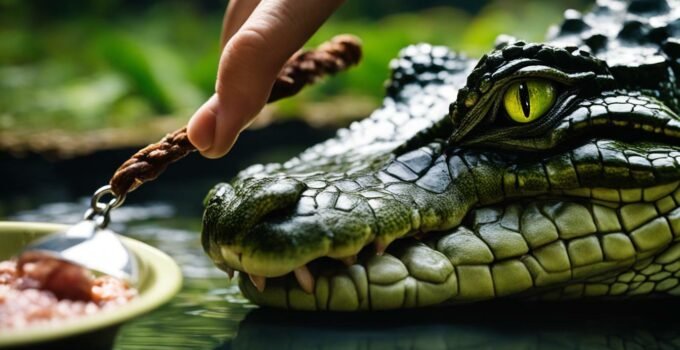
Owning a pet alligator can be a unique and rewarding experience, but it requires careful attention and knowledge to ensure the well-being and safety of both the owner and the animal. Alligators are fascinating creatures with specific care needs that must be met to ensure their health and happiness.
Key Takeaways:
- Proper care and understanding are crucial for owning a pet alligator.
- Check the legal requirements for alligator ownership in your state.
- Alligators need a high-protein diet with fresh food and possible calcium supplementation.
- Create an appropriate habitat with a large enclosure and proper water conditions.
- Mental stimulation through toys and enrichment is essential for alligators.
Is Owning a Pet Alligator Legal?
Before considering a pet alligator, it is crucial to understand the legal implications and requirements in your state. Alligator ownership laws vary across different states, and some states may prohibit owning an alligator as a pet altogether. However, in states where it is legal, there are often specific permits and regulations that need to be followed.
To ensure you are compliant with the law, it is important to research and understand the alligator ownership laws in your state. Some states may require you to obtain a permit or license, which typically involves meeting certain criteria, such as having a secure and appropriate enclosure for the alligator. Additionally, there may be restrictions on the size and species of alligators that can be kept as pets.
It is also worth noting that while owning a pet alligator may be legal in your state, local ordinances or homeowners’ association rules may have additional regulations or restrictions. It is important to familiarize yourself with these rules to ensure compliance.
| State | Alligator Pet Legality | Permits Required |
|---|---|---|
| Texas | Legal | Yes |
| Florida | Legal | Yes |
| California | Prohibited | N/A |
Is Owning a Pet Alligator Legal in Your State?
When considering a pet alligator, it is important to consult local authorities and check the specific regulations in your state to ensure you are legally allowed to own one. Familiarizing yourself with the laws and obtaining any necessary permits will help you provide the best care for your pet alligator while staying within legal boundaries.
Alligator Diet and Nutrition
Providing a proper diet is essential for the overall health and growth of a pet alligator. These incredible creatures require a high-protein diet to meet their nutritional needs. A well-balanced diet ensures that they receive the necessary nutrients to thrive. Fish, rodents, and meat should form the core of their diet, offering a variety of protein sources to keep them healthy. Fresh food is preferred, as it provides essential vitamins and minerals.
Certain alligators may require additional supplementation to meet their calcium needs. Calcium is crucial for their bone health and proper growth. Calcium supplements, such as calcium powder, can be added to their food to ensure they receive adequate amounts. However, it is important to consult with a veterinarian or reptile nutritionist to determine the appropriate dosage and frequency of calcium supplementation for your pet alligator.
| Protein Sources | Benefits |
|---|---|
| Fish | Rich in omega-3 fatty acids and essential nutrients |
| Rodents | Good source of protein and essential amino acids |
| Meat | Provides essential vitamins and minerals |
When feeding your pet alligator, it is important to take into consideration their individual needs and adjust their diet accordingly. Regular monitoring of their weight and overall health is essential, as it can help identify any deficiencies or imbalances in their diet. Consulting with a reptile veterinarian or experienced alligator keeper can provide valuable guidance on maintaining a healthy and appropriate diet for your pet alligator.
Creating the Ideal Habitat for Your Alligator
Designing a suitable habitat is crucial for the well-being and happiness of your pet alligator. As natural swimmers, alligators require a large enclosure with both dry and wet areas to mimic their natural habitat. The ideal enclosure should provide ample space for your alligator to move around comfortably and engage in natural behaviors.
To ensure optimal water quality, it is essential to maintain proper water parameters and filtration. Alligators are sensitive to water quality and require clean, well-filtered water to thrive. The water should be deep enough for your alligator to float and swim freely. Additionally, consider creating a heat gradient in the enclosure, with warmer basking areas and cooler hiding spots, to allow your alligator to regulate its body temperature.
Since alligators are primarily herbivores, it is important to include a variety of vegetation and plant-based food options in their diet. This can be achieved by incorporating live or artificial plants in the enclosure to provide hiding spots and enrich their environment. These plants can also contribute to the aesthetics of the enclosure, creating a more natural and visually pleasing habitat for your alligator.
Remember to regularly monitor and maintain the tank filtration system to ensure a clean and healthy environment for your pet. Clean the enclosure regularly, removing any debris or waste, and perform water changes as needed to maintain optimal water quality. Providing a well-designed habitat with proper filtration and suitable hiding spots will help reduce stress and promote overall well-being for your pet alligator.
| Key Elements of an Alligator Habitat | Description |
|---|---|
| Enclosure Size | Alligators require a spacious enclosure that allows them to move around comfortably. |
| Water Parameters | Maintain appropriate water temperature, pH, and cleanliness to ensure the alligator’s health. |
| Basking and Hiding Areas | Provide a heat gradient with basking spots and hiding areas to allow the alligator to regulate its body temperature. |
| Vegetation and Plant-based Food | Incorporate live or artificial plants in the enclosure to provide hiding spots and enrich the alligator’s environment. |
| Tank Filtration | Maintain a well-functioning filtration system to ensure clean and healthy water for the alligator. |
Creating a habitat that meets the specific needs of your pet alligator is essential for its overall health and well-being. By providing a spacious enclosure with proper water parameters, filtration, basking and hiding spots, as well as vegetation for enrichment, you can ensure that your pet alligator thrives in its environment.
Mental Stimulation and Enrichment for Alligators
Just like any other pet, alligators require mental stimulation to lead a happy and fulfilling life. While they may not play fetch or chase after a ball like a dog, there are still ways to provide enrichment for your pet alligator. By engaging their natural instincts and providing appropriate activities, you can keep them mentally stimulated and prevent boredom.
One way to provide mental stimulation for alligators is by offering them toys. Alligator toys can range from simple objects like rubber balls and floating logs to more interactive toys that encourage problem-solving. These toys can help stimulate their predatory instincts and provide a source of entertainment. It is important to choose toys that are safe and durable, ensuring they can withstand the alligator’s powerful jaws.
In addition to toys, you can also provide enrichment through environmental stimuli. Alligators are naturally curious creatures, and introducing new elements to their habitat can keep them engaged. This can be done by adding floating objects, different types of vegetation, or even creating underwater hiding spots. By changing the environment periodically, you can stimulate their senses and provide a more dynamic living space.
While mental stimulation and enrichment are important, it is crucial to ensure the activities and toys provided are suitable for alligators. They have specific needs and behaviors that must be considered. Consulting with experts or experienced alligator owners can help you determine the best enrichment options for your pet alligator.
Alligator Mental Stimulation Ideas:
- Provide floating toys for interactive play.
- Add different types of vegetation to their enclosure.
- Create underwater hiding spots for exploration.
- Rotate toys and introduce new objects to keep them engaged.
- Offer food puzzles or hidden treats to encourage problem-solving.
Remember, mental stimulation and enrichment should be balanced with the alligator’s natural behaviors and needs. By providing appropriate activities and toys, you can help ensure your pet alligator leads a fulfilling and happy life.
| Benefits of Mental Stimulation for Alligators | Tips for Providing Enrichment |
|---|---|
|
|
Keeping Your Pet Alligator Healthy
Ensuring the health and well-being of your pet alligator is of utmost importance. By following a few essential care practices, you can help maintain their overall health and longevity. From providing a balanced diet to regular dental care and veterinary check-ups, here are some key aspects to consider:
1. Balanced Diet
A balanced diet is crucial for the health of your pet alligator. Their diet should consist primarily of high-protein foods such as fish, rodents, and meat. It’s important to offer fresh food to ensure optimal nutrition. Additionally, calcium supplementation should be included to support their bone health.
2. Regular Dental Care
Just like humans, alligators can develop dental issues. Regular dental care is essential to prevent problems such as tooth decay and gum disease. You can provide dental care by offering species-appropriate chew toys to help keep their teeth clean and healthy.
3. Vitamin and Mineral Supplementation
Alligators require adequate levels of vitamins and minerals to support their overall health. Consult with a veterinarian to determine if additional supplementation is necessary based on your alligator’s specific needs. This will help ensure they receive the necessary nutrients for optimal well-being.
4. Veterinary Care
Regular visits to a veterinarian who specializes in exotic animals are crucial for your pet alligator’s health. A veterinarian will be able to perform check-ups, administer vaccinations, and address any concerns or health issues that may arise. They can also provide guidance on specific care requirements based on your alligator’s age, size, and overall condition.
By prioritizing these aspects of care, you can help keep your pet alligator healthy and thriving. Remember that each alligator is unique, so it’s important to tailor their care to their specific needs. Consulting with experts and staying up-to-date on the latest research will ensure you provide the best possible care for your exotic pet.
Understanding Alligator Behavior and Potential Risks
It is crucial to understand the behavior and potential risks associated with owning a pet alligator to ensure both your safety and the alligator’s well-being. Alligators have a natural temperament that is inherently wild, and despite being kept as pets, they can still pose dangers if not properly handled and cared for.
One of the primary risks of owning a pet alligator is the potential for dangerous encounters. Alligators are powerful animals with razor-sharp teeth and strong jaws, capable of causing serious harm. It is essential to maintain a safe distance and avoid any direct contact with the alligator to minimize the risk of injury.
Alligators are most active during dawn and dusk, making these times particularly risky. It is advised to avoid walking near bodies of water during these periods, as alligators tend to be more active and may see humans or pets as potential prey. Staying away from the water’s edge and keeping pets on a leash can further reduce the chances of a dangerous encounter.
To stay safe around alligators, it is important to understand their natural instincts and behaviors. Alligators are opportunistic predators and may perceive pets or even humans as potential prey. By keeping a safe distance, respecting their territory, and avoiding any aggressive behavior, you can significantly minimize the risk of an unwanted encounter.
Finding a Reputable Source and Costs of Pet Alligators
When considering the purchase of a pet alligator, it is crucial to find a reputable source that adheres to ethical practices and ensures the well-being of the animals. Dealing with black market dealers not only poses legal risks but also raises concerns about the origins and proper care of the alligator. It is recommended to research licensed breeders or specialized reptile stores that have a track record of responsible alligator sales.
Before making any decisions, it’s essential to understand the potential costs associated with owning a pet alligator. The prices can vary depending on factors such as the age, size, and rarity of the alligator. On average, juvenile alligators can range from $200 to $500, while albino alligators, which are relatively scarce, can cost significantly more.
| Alligator Type | Price Range |
|---|---|
| Juvenile Alligator | $200 – $500 |
| Albino Alligator | Varies, but can exceed $10,000 |
It’s important to keep in mind that the initial purchase cost is just the beginning. Owning a pet alligator involves ongoing expenses, including habitat setup, food, veterinary care, and potential permits or licensing fees. It is crucial to factor in these costs and ensure that you are financially prepared to provide the necessary care for your pet alligator.
By finding a reputable source and understanding the costs involved, you can embark on the journey of owning a pet alligator with confidence, knowing that you are supporting responsible practices and providing the best possible care for your new companion.
Staying Safe Around Alligators
When it comes to walking near alligators, it’s important to prioritize your safety and understand their behavior. Alligators are most active during dusk and dawn, so it’s best to avoid walking near their habitats during these times. Keep a safe distance and never approach or attempt to feed an alligator, as this can provoke aggressive behavior. Remember, alligators are wild animals and should be treated with respect and caution.
To minimize the risk of alligator encounters, pay attention to signs and warnings posted in areas known to have alligators. These signs are in place to help ensure the safety of both humans and the alligators. If you do come across an alligator, maintain a safe distance of at least 30 feet or more. Do not attempt to swim or approach an alligator in the water, as they are excellent swimmers and can move quickly on land as well.
In the event of an alligator encounter, here are some important safety tips to keep in mind:
- Do not panic or make sudden movements.
- Back away slowly and maintain eye contact with the alligator.
- If the alligator starts to approach, try to find an elevated surface to climb on.
- If you are bitten by an alligator, seek immediate medical attention.
Remember, preventing alligator encounters is key to staying safe. By being aware of alligator activity times, following safety guidelines, and respecting their natural habitats, you can enjoy outdoor areas where alligators reside while minimizing the risk of dangerous encounters.
Conclusion
In conclusion, taking care of a pet alligator requires a deep understanding of their unique needs and the responsibility to provide them with a safe and enriching environment. By following the expert guide on alligator care, you can ensure the well-being and health of your reptilian companion.
Remember, it is crucial to comply with the legal requirements and regulations regarding alligator ownership in your state. Make sure to research the specific laws and obtain any necessary permits to avoid any legal complications.
Creating an ideal habitat for your alligator is essential for their physical and mental well-being. Provide a spacious enclosure with proper water parameters, tank filtration, and areas for basking and hiding. Additionally, engage their natural instincts by providing them with toys and activities that stimulate their minds.
To keep your pet alligator healthy, maintain a balanced diet, regularly care for their dental hygiene, and consult a veterinarian for proper vitamin and mineral supplementation. Understanding alligator behavior and taking necessary precautions will help mitigate any potential risks and ensure a safe environment for both you and your alligator.
In your journey to become a responsible alligator owner, it is crucial to find a reputable source when purchasing a pet alligator. Avoid dealing with black market dealers and be aware of the costs involved, considering that juvenile alligators are more affordable compared to albino alligators.
By following these guidelines and the comprehensive guide on alligator care, you can create a fulfilling and safe bond with your pet alligator. Remember to always prioritize their well-being and provide them with the love and care they deserve.
FAQ
Is it legal to own a pet alligator?
Owning an alligator as a pet is legal in some states, while others require permits or prohibit ownership altogether.
What should I feed my pet alligator?
Alligators need a high-protein diet consisting of fish, rodents, and meat. Fresh food is preferred, and calcium supplements may be necessary.
How should I set up the habitat for my alligator?
Alligators require a large enclosure with both dry and wet areas. The water should be filtered and deep enough for the alligator to float.
Do alligators need mental stimulation?
Yes, mental stimulation is important for alligators, and they can be given toys for enrichment.
How do I keep my pet alligator healthy?
Proper health care is crucial, including a balanced diet, regular dental care, and supplementation of vitamins and minerals.
Are alligators dangerous?
Yes, alligators can be dangerous, and understanding their temperament and potential risks is essential.
How much does a pet alligator cost?
The cost of purchasing an alligator can vary, with juveniles averaging around $170 and albinos being much more expensive. It is important to buy from reputable sources and avoid black market dealers.
How can I stay safe around alligators?
It is recommended to stay away from the water’s edge during walks and to avoid walking pets during dawn and dusk, when alligators are most active. Prevention and maintaining a safe distance from alligators are the best ways to avoid dangerous encounters.