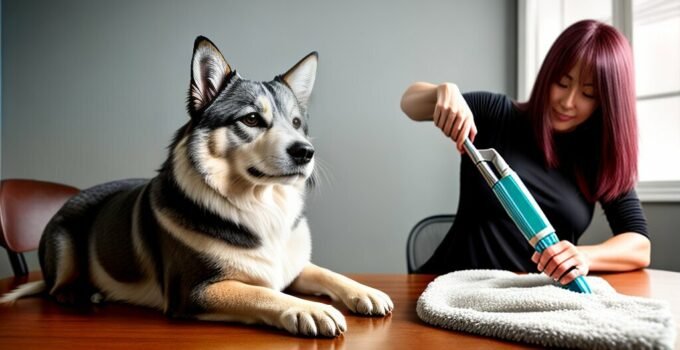
Grooming your furry friend is an important aspect of pet ownership. Regular grooming can help maintain your pet’s overall health and well-being, while also promoting a strong bond between pet and owner. While professional grooming services are widely available, grooming at home can be a more convenient and cost-effective option for many pet owners.
In this article, we will provide a step-by-step guide to grooming your pet at home. We will cover essential grooming techniques, tools, and supplies that will help you keep your pet looking and feeling their best. Follow along with our easy tips to become a pro at DIY pet grooming!
Key Takeaways
Grooming your pet at home can save you time and money.
Regular grooming is important for maintaining your pet’s health and well-being.
By following our step-by-step guide, you can become a pro at DIY pet grooming.
Why Grooming Your Pet at Home is Important
Grooming your pet at home is an essential part of pet ownership. Not only does it keep your pet looking clean and well-groomed, but it also has numerous health benefits. Here are some of the reasons why grooming your pet at home is important:
| Benefit | Description |
|---|---|
| Maintains a Healthy Coat | Regular grooming helps distribute natural oils throughout your pet’s coat, keeping it healthy and shiny. It also prevents matting and reduces shedding. |
| Prevents Health Issues | Grooming allows you to keep an eye on your pet’s overall health. You can check for any abnormalities or issues with their skin, fur, ears, teeth, and nails. |
| Strengthens the Bond | Grooming your pet at home provides a bonding opportunity for both you and your furry friend. It allows you to spend quality time together and can strengthen your relationship. |
To ensure your pet gets all the benefits of grooming, make sure you have the necessary supplies and are familiar with the basic grooming techniques. We’ll cover these topics in the following sections of this article.
Preparing Your Pet for Grooming
Grooming your pet can be a fun and rewarding experience, but it’s important to make sure your pet is comfortable and relaxed before you begin. Here are some tips to help you prepare your pet for grooming at home:
Create a Calm Environment
Find a quiet, well-lit area in your home where you can groom your pet without distractions. Turn off any loud music or television that could startle your pet. Make sure the temperature in the room is comfortable for your pet.
Select Appropriate Grooming Tools
Choose grooming tools that are appropriate for your pet’s breed and coat type. For example, a slicker brush is great for removing tangles and mats in long-haired breeds, while a rubber brush is suitable for short-haired breeds.
| Breed | Coat Type | Recommended Brush |
|---|---|---|
| Poodle | Curly | Pin Brush |
| Golden Retriever | Long, Thick | Slicker Brush |
| Boxer | Short, Smooth | Rubber Brush |
Introduce Grooming Gradually
If your pet is new to grooming, start slowly to avoid overwhelming them. Begin with short grooming sessions and gradually increase the length of time as your pet becomes more comfortable.
Use treats and positive reinforcement to reward your pet for good behavior during grooming sessions. This will help your pet associate grooming with pleasant experiences and make future sessions easier.
By creating a calm environment and using appropriate grooming tools, you can help your pet feel comfortable and relaxed during grooming sessions. With a little patience and practice, you can become a pro at grooming your pet at home.
Brushing Your Pet’s Coat
Regular brushing is key to maintaining a healthy and shiny coat for your pet. In this section, we will provide a step-by-step guide to brushing your pet’s coat like a pro.
Choose the Right Brush
The type of brush you use will depend on your pet’s coat type. For short-haired pets, a bristle brush will work best, while long-haired pets may require a slicker brush or pin brush. Consult with your vet or a professional groomer to determine which type of brush is best for your pet.
Start at the Head and Work Your Way Back
Begin brushing at the head and work your way back, using gentle strokes. Be sure to brush in the direction of hair growth to avoid discomfort for your pet. Take your time and be patient, especially if your pet is not used to being groomed.
Pay Attention to Sensitive Areas
Sensitive areas such as the tail, belly, and legs may require extra attention. Use a slicker brush or comb to gently remove any tangles or mats in these areas.
Inspect for Fleas and Ticks
While brushing your pet’s coat, be sure to inspect for any signs of fleas or ticks. If you notice any, consult with your vet to determine the best course of treatment.
Reward Your Pet
After each grooming session, be sure to reward your pet with praise and treats. This will help make grooming a positive experience for your pet and encourage them to cooperate in future grooming sessions.
Bathing Your Pet
Bathing your pet is an essential aspect of pet grooming, and it’s important to do it correctly to avoid causing discomfort or stress to your furry friend. Here’s a step-by-step guide to help you properly bathe your pet at home:
- Prepare the bathing area: Choose a location for bathing your pet. It’s best to use an area with a non-slip floor, such as a bathtub or shower. Have all the necessary supplies ready, including pet shampoo, pet conditioner, a towel, and a brush.
- Brush your pet’s coat: Before you start bathing your pet, brush their coat to remove any mats or tangles that could become worse during the bath.
- Wet your pet: Use a handheld showerhead or a pitcher to wet your pet’s coat thoroughly, starting at their head and working your way down to their tail. Avoid getting water in their ears, eyes, or nose.
- Apply shampoo: Squeeze a small amount of pet shampoo onto your hand and apply it to your pet’s coat, working it in a circular motion. Be sure to get all areas of the coat, including under the belly and legs. Avoid getting shampoo in their ears, eyes, or nose.
- Rinse thoroughly: Use the showerhead or pitcher to rinse your pet’s coat thoroughly, making sure to remove all of the shampoo. Rinse their coat until the water runs clear.
- Apply conditioner: If your pet’s coat is particularly dry or tangled, you can apply a small amount of pet conditioner after rinsing the shampoo. Follow the instructions on the conditioner and rinse thoroughly.
- Dry your pet: Use a towel to dry your pet as much as possible, rubbing gently to remove as much water as possible. Then, let them shake off the excess water and finish drying them with a blow dryer on a low heat setting, if needed.
Bathing your pet regularly can help keep their coat healthy and clean. However, it’s important not to overdo it, as too much bathing can strip the coat of natural oils and cause dryness or irritation. In general, a bath once every 4-6 weeks is sufficient for most pets.
Trimming Your Pet’s Nails
Trimming your pet’s nails is an important part of their grooming routine, as overgrown nails can cause discomfort and even lead to health problems. However, many pet owners find nail trimming to be a daunting task. With the right tools and techniques, though, it can be a simple and stress-free process.
Supplies You’ll Need
| Item | Description |
|---|---|
| Nail clippers | Choose clippers that are the appropriate size and shape for your pet’s nails. |
| Styptic powder | This powder can help stop bleeding in case you accidentally cut into the quick of your pet’s nail. |
| Treats | Rewarding your pet with treats can help keep them calm and make the experience more positive. |
Step-by-Step Guide
- Choose a quiet and well-lit area to trim your pet’s nails.
- Hold your pet’s paw gently but securely.
- Identify the quick, which is the pink part of the nail that contains blood vessels and nerves. Avoid cutting into the quick, as it can be painful and cause bleeding.
- Using sharp and clean nail clippers, make a quick snip at a slight angle to avoid crushing the nail.
- If you accidentally cut into the quick, apply styptic powder to the nail to stop any bleeding.
- Reward your pet with treats and praise.
If you’re unsure about how to trim your pet’s nails or if your pet is anxious or difficult during the process, consider seeking the help of a professional groomer or veterinarian.
Cleaning Your Pet’s Ears
Regular ear cleaning is an important part of pet grooming that can help prevent infections and keep your pet healthy and comfortable. Here’s a step-by-step guide on how to clean your pet’s ears at home:
- Get the right supplies: You’ll need a good quality ear cleaning solution, cotton balls or pads, and possibly a towel to wipe up any excess solution.
- Prepare your pet: Allow your pet to get comfortable and try to keep them calm. It can also be helpful to have a friend or family member hold your pet still while you clean their ears.
- Apply the cleaning solution: Gently lift your pet’s ear flap and apply the cleaning solution according to the instructions on the bottle. Be sure not to insert the applicator too far into the ear canal.
- Massage the ear canal: Massage your pet’s ear gently for 20-30 seconds to help distribute the solution and loosen any debris or wax buildup.
- Wipe away excess solution: Use cotton balls or pads to wipe away any excess solution and debris from the ear flap and outer ear canal. Be sure not to insert the cotton too far into the ear canal.
- Reward your pet: Once you’ve finished cleaning your pet’s ears, be sure to reward them with a treat or praise to help reinforce positive behaviors.
It’s important to note that some pets may be more sensitive or reluctant to have their ears cleaned. If you’re having difficulty or notice any signs of discomfort or irritation, it’s best to consult with your veterinarian.
Keeping Your Pet’s Teeth Clean
Dental hygiene is important for pets, just like it is for humans. Neglecting dental care can lead to dental disease, which can cause pain and discomfort for your pet, as well as other health problems. Fortunately, keeping your pet’s teeth clean is easy to do at home.
One of the best ways to keep your pet’s teeth clean is by brushing them regularly. You will need a toothbrush and toothpaste specifically designed for pets. Never use human toothpaste on your pet, as it can be toxic to them. You can also provide dental chews and toys to help remove plaque and tartar buildup.
If your pet is not used to having their teeth brushed, start slowly by gradually introducing them to the toothbrush and toothpaste. Begin by letting them smell and taste the toothpaste, then gradually work up to brushing a few teeth at a time. Remember to be patient and gentle, and always reward your pet with praise and treats.
In addition to regular brushing, it’s important to have your pet’s teeth checked by a veterinarian at least once a year to ensure their dental health. Your veterinarian may also recommend professional dental cleaning if your pet has significant tartar buildup.
Dealing with Mats and Tangles
Mats and tangles in your pet’s coat can be uncomfortable for them and difficult to manage. Regular brushing and grooming can prevent mats from forming, but if they do appear, it’s important to address them promptly.
Before attempting to remove a mat or tangle, it’s important to assess the severity of the situation. Small mats or tangles can be gently worked out with a slicker brush, while larger mats may require more intensive treatment.
| Tools you will need: | Steps to follow: |
|---|---|
| Slicker brush | 1. Start by gently brushing the mat with a slicker brush. 2. If the mat is still present, use a mat splitter or mat rake to break up the mat. 3. Comb through the area with a metal comb to ensure all of the mat has been removed. 4. Use scissors to carefully trim any remaining tangles or mats if necessary, being careful not to cut your pet’s skin. |
If the mat or tangle is too severe, it may be necessary to seek the help of a professional groomer. They have the expertise and tools needed to safely remove mats without causing discomfort to your pet.
To prevent mats from forming in the future, it’s important to maintain a regular grooming schedule and keep your pet’s coat clean and healthy.
Grooming Specific Breeds or Coat Types
While many of the techniques and tools discussed in this article apply to all pets, certain breeds and coat types may require special attention when it comes to grooming. Here are some tips for grooming specific breeds or coat types:
Long-Haired Breeds
Breeds such as the Afghan Hound, Shih Tzu, and Yorkshire Terrier have long, flowing coats that require frequent brushing to prevent matting and tangling. Use a slicker brush and comb to remove tangles and dead hair, and consider using a conditioning spray to keep the coat soft and manageable. Be extra gentle around sensitive areas such as the ears and belly.
Short-Haired Breeds
Breeds such as the Boxer, Doberman Pinscher, and Labrador Retriever have short, smooth coats that require regular brushing to remove loose hair and maintain shine. Use a rubber curry brush or hound glove to remove dead hair and distribute natural oils. These breeds may not require frequent bathing, so focus on brushing and wiping down with a damp cloth as needed.
Double-Coated Breeds
Breeds such as the Husky, Golden Retriever, and Bernese Mountain Dog have thick, double-layered coats that require special attention to prevent matting and excessive shedding. Use a pin brush to remove dead hair from the undercoat, and a slicker brush to detangle the topcoat. Avoid shaving or cutting the coat, as this can interfere with the dog’s natural insulation and protection.
Cats
Cats have unique grooming needs that depend on their breed, age, and lifestyle. Long-haired breeds such as the Persian and Maine Coon require daily brushing to prevent matting and hairballs. Short-haired breeds such as the Siamese and Abyssinian may require less frequent brushing but still benefit from regular grooming to remove loose hair and distribute natural oils. Use a comb or slicker brush designed for cats, and be sure to trim their nails regularly.
By following these tips and using appropriate techniques and tools, pet owners can keep their pets looking and feeling their best, no matter their breed or coat type.
Tips for Professional Pet Grooming at Home
Grooming your pet at home can be both fun and rewarding, but it can also be a daunting task, especially if you want to achieve professional-level results. Luckily, there are many tips and tricks you can use to make your DIY grooming session feel like you’ve taken your pet to a professional groomer.
Use High-Quality Tools and Products
Investing in high-quality grooming tools and products is crucial. Not only do they make the grooming process easier, but they also ensure that your pet’s coat looks and feels its best. Look for brushes, clippers, and grooming shears that are designed for professional use and made with high-quality materials. Use shampoos and conditioners that are specifically formulated for your pet’s coat type and needs. Avoid cheap tools and products as they can cause discomfort, injury, or damage to your pet’s coat.
Learn Proper Grooming Techniques
Knowing how to groom your pet properly is essential in achieving professional results. Take the time to research and learn the proper techniques for brushing, bathing, trimming, cleaning, and maintaining your pet’s coat and hygiene. There are many online resources, videos, and forums that offer useful tips and advice on how to groom your pet like a pro. Practice makes perfect, so don’t be afraid to try new grooming techniques and experiment with different tools and products until you find what works best for you and your pet.
Be Patient and Gentle
Professional groomers are patient and gentle with their clients, and you should be too. Grooming can be stressful and uncomfortable for pets, especially if they are not used to it. Take breaks, offer treats, and use positive reinforcement to make the grooming experience positive and enjoyable for your pet. Be gentle when handling your pet’s coat, skin, and ears, and avoid pulling or tugging on mats and tangles. Remember to always put your pet’s comfort and safety first.
Know When to Seek Professional Help
While grooming your pet at home can be a great way to bond with your pet and save money, it’s important to recognize when you need professional help. If your pet has a serious skin condition, a severe mat or tangle, or if you’re not confident in your ability to groom your pet properly, it’s best to seek the help of a professional groomer. They have the experience, tools, and knowledge to handle even the most difficult grooming tasks and ensure that your pet looks and feels its best.
By following these tips, you can groom your pet like a pro from the comfort of your own home. Remember to stay patient, gentle, and always put your pet’s comfort and safety first. With the right tools, products, and techniques, you can achieve professional-level results and keep your pet healthy, happy, and well-groomed.
Conclusion
Regular grooming is essential for the health and happiness of your pet. By following the step-by-step guide and DIY grooming techniques discussed in this article, pet owners can easily maintain their pet’s appearance and overall well-being.
Remember to create a calm and comfortable grooming environment and use appropriate grooming tools and supplies. Brush your pet’s coat regularly, bathe them when necessary, trim their nails, clean their ears and teeth, and address any mats or tangles in their fur. Additionally, be aware of specific grooming needs for different breeds and coat types.
By grooming your pet at home like a pro, you can save money and time while also strengthening your bond with your furry companion. Keep in mind that professional pet grooming services are also available if you need extra help or advice. Don’t neglect your pet’s grooming needs – give them the care and attention they deserve!
FAQ
Q: Why is grooming your pet at home important?
A: Grooming your pet at home is important for maintaining a healthy coat, preventing matting, and reducing shedding. It also allows you to bond with your pet and save money on professional grooming services.
Q: What grooming supplies do I need for my pet?
A: Essential grooming supplies for pets include brushes, combs, shampoo, conditioner, nail clippers, ear cleaning solution, and toothbrushes. The specific supplies you need may vary depending on your pet’s breed and coat type.
Q: How should I prepare my pet for grooming at home?
A: To prepare your pet for grooming at home, create a calm and comfortable environment. Introduce grooming tools gradually and reward your pet with treats and praise for staying calm during the process.
Q: How do I brush my pet’s coat?
A: Brushing your pet’s coat requires selecting the right brush for their coat type and brushing in the direction of hair growth. Be gentle to avoid causing discomfort to your pet.
Q: How do I bathe my pet at home?
A: To bathe your pet at home, select a pet-friendly shampoo and conditioner. Wet your pet thoroughly, lather them with shampoo, and rinse well. Avoid getting water in their ears and eyes.
Q: How do I trim my pet’s nails?
A: Trim your pet’s nails using appropriate nail clippers. Be cautious not to cut too close to the quick, and take breaks if your pet becomes anxious. Reward them with treats for staying calm.
Q: How do I clean my pet’s ears at home?
A: Use a pet-specific ear cleaning solution and cotton balls to gently clean your pet’s ears. Avoid inserting anything deep into the ear canal and stop if your pet shows discomfort.
Q: How do I keep my pet’s teeth clean?
A: Keep your pet’s teeth clean by brushing them regularly with a pet toothbrush and toothpaste. Dental chews and dental care products can also help maintain their oral health.
Q: How do I deal with mats and tangles in my pet’s coat?
A: Prevent mats and tangles by regularly brushing your pet’s coat. To remove mats, use a detangling spray and a comb or slicker brush. Be gentle and patient to avoid causing your pet discomfort.
Q: How should I groom specific breeds or coat types?
A: Different breeds and coat types have unique grooming needs. Research the specific grooming requirements of your pet’s breed and use appropriate techniques and tools to maintain their coat.
Q: How can I achieve professional pet grooming results at home?
A: To achieve professional grooming results at home, use grooming techniques, tools, and products recommended by experts. Take your time, follow the step-by-step guide, and be mindful of your pet’s comfort.